Hitachinokuni Trail in Ibaraki
Welcome to the Hitachi-no-kuni Long Trail in Ibaraki Prefecture for an Unforgettable Adventure!
The Hitachi no Kuni Trail is a 320 km loop in northern Ibaraki Prefecture, Japan, connecting rural landscapes, historical sites, and natural beauty. It offers hikers an immersive experience of the region's rich cultural and environmental heritage.
The Hitachi no kuni Long Trail is a 320 km long path(planned) that winds through six municipalities in northern Ibaraki Prefecture. The area was once known as Tokoyonokuni – meaning ‘utopia’ – due to its bountiful harvests and abundant seafood. The trail may have been an ancient road, but now, visitors can take the Hitachinokuni Long Trail to experience the lush nature, history and culture of this charming region.

A Journey Back in Time
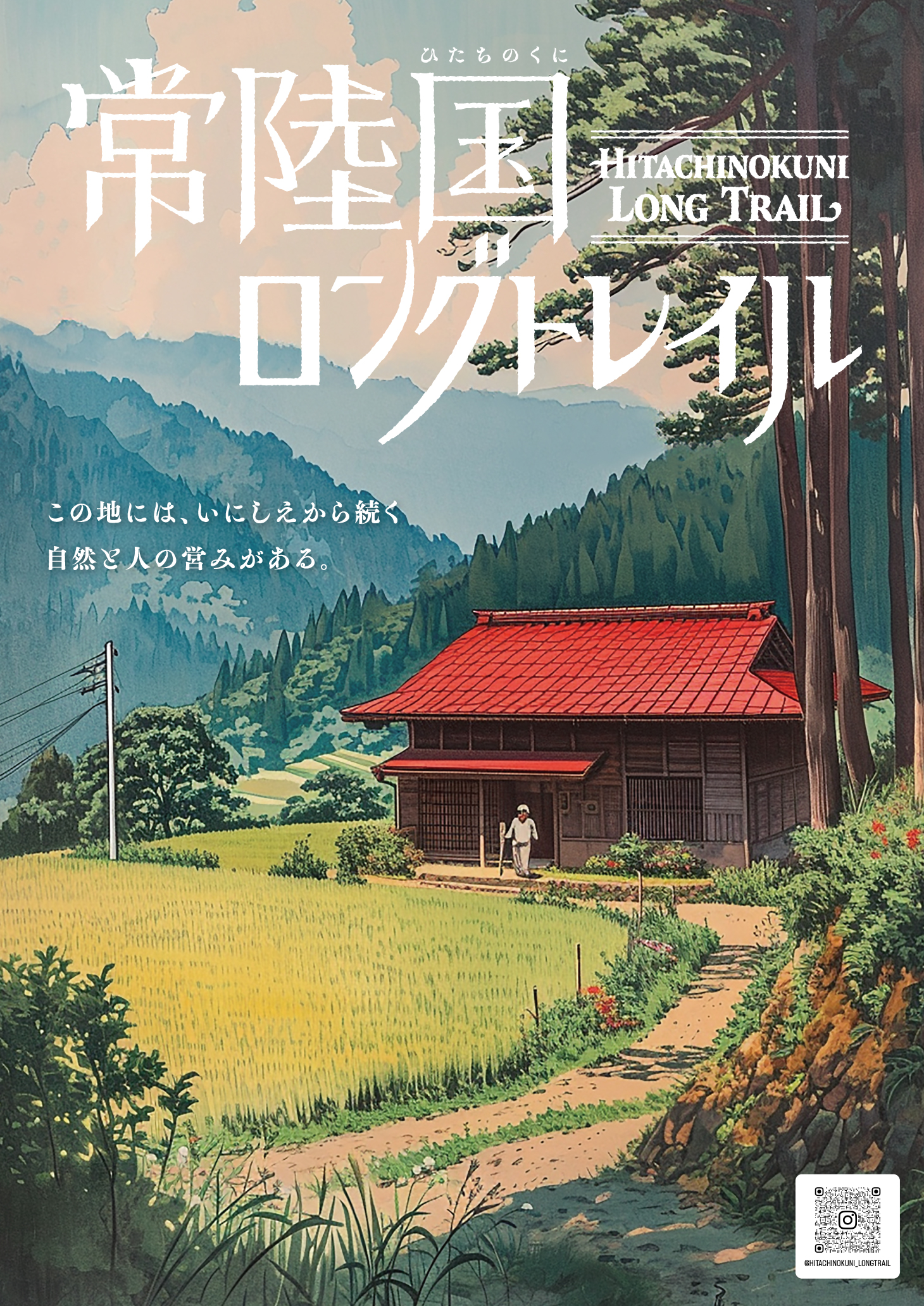
Discover the charm of the Hitachinokuni Long Trail, from fascinating local history to daily life amidst the rural landscapes. Several short films reveal the essence of the Hitachinokuni Long Trail, capturing the moon shining over the Takado Kohama Coast, the dynamic Usubazawa Falls, and much more. An interactive map offers an artistic take on the traditional trail map and makes planning your own visit both fun and easy. Charming illustrations and stories from the trail allow for a deeper awareness of the trail and the communities who live around it. Come and see what the Hitachinokuni Long Trail has to offer!
Shrines and Temples
The Religious Areas of the Hitachi-no-kuni Long Trail
Oiwa Shrine Area
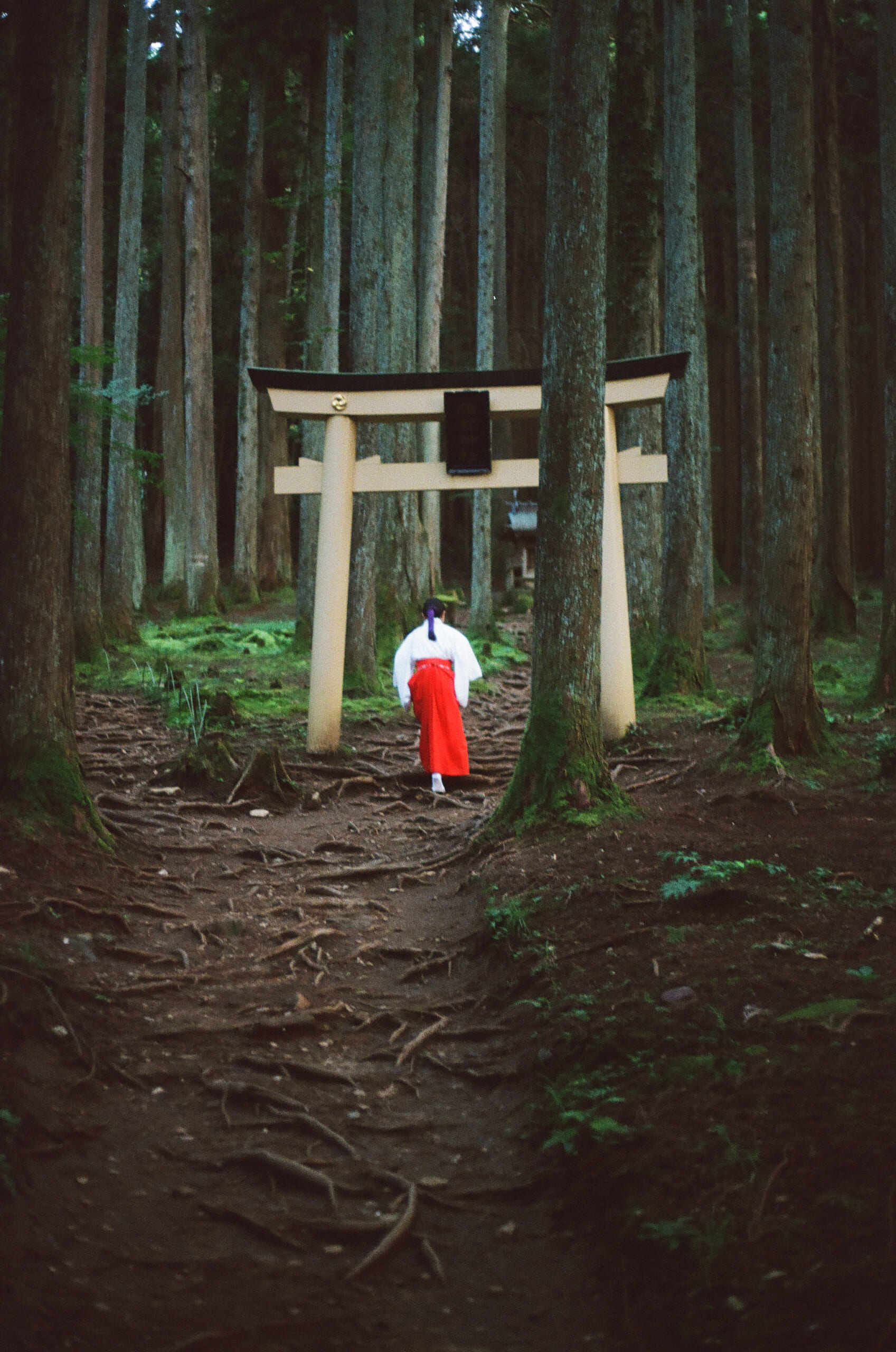
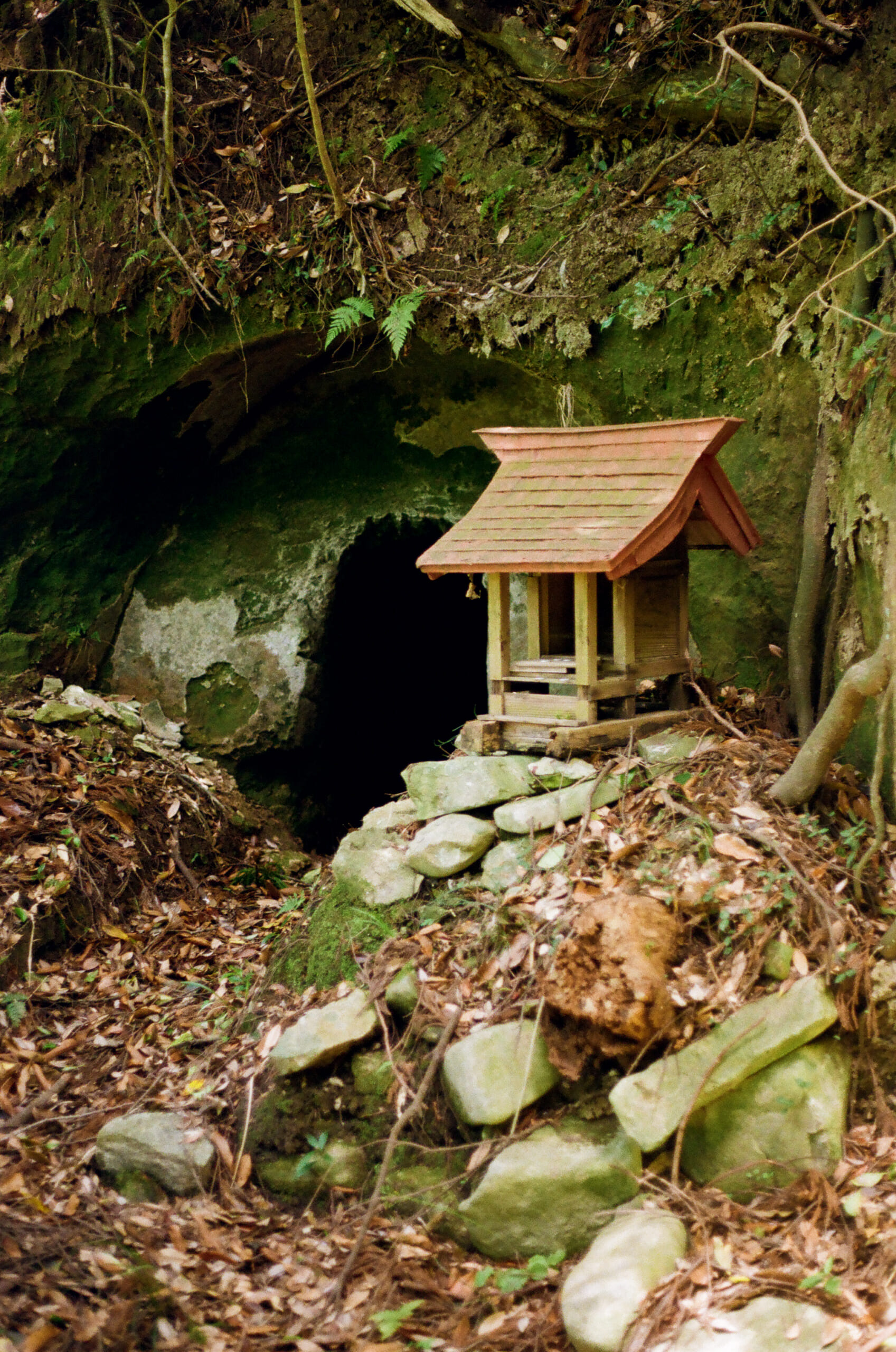
Mount Oiwa, said to be the oldest sacred mountain in Hitachinokuni, is believed to have been a place of worship for people since the Jomon period (around 14,000 BCE – 300 BCE). At the foot of this mountain, which enshrines 188 deities, stands Oiwa Shrine, a site that continues to attract many worshippers and continues to be revered by visitors. The serene atmosphere of this enchanting site provides a peaceful stop along the Hitachi no kuni Long Trail and is well worth a visit.
Hanazono Area
In the Hanazono area, you will find Hanazono Shrine, said to have been founded in 795. Within its grounds is a sacred monkey named “Masaru,” believed to ward off evil and bring good luck. Visitors can also admire vibrant Azuma Rhododendrons in the spring, as well as a towering “Kobu Sugi” cedar tree thought to bring good fortune for fertility and safe childbirth. Hanazono Mountain itself, along with four surrounding peaks, has long been regarded as a sacred site of mountain worship, and is an ideal spot to experience ancient history and spirituality against a backdrop of breathtaking forests and mountains.
History
Discover the Historic Areas of the Trail
Izura Area
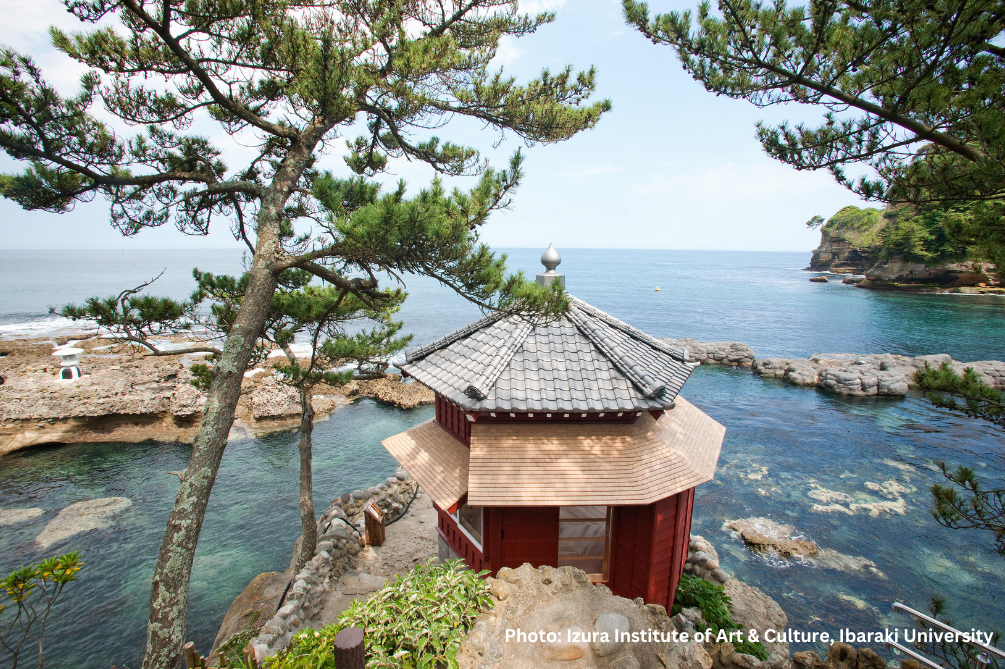
Kitaibaraki City offers an array of historical and cultural spots along the beautiful and rocky Izura Coast related to the renowned thinker and writer Okakura Tenshin.
On a beautiful rocky beach on the Izura Coast overlooking the calm sea stands Rokkakudo, a small structure designed by Tenshin.
The traditional Asian sensibilities reflected in his design continue to provide a place for quiet contemplation. Nearby is the Tenshin Memorial Museum of Art, another cultural landmark carrying on Tenshin’s legacy which displays artwork by artists with connections to Izura. Somewhat removed from the rest of the Hitachinokuni Long Trail, this is a quiet area that offers plenty to enjoy.
Daigo Town Center Shopping Street Area
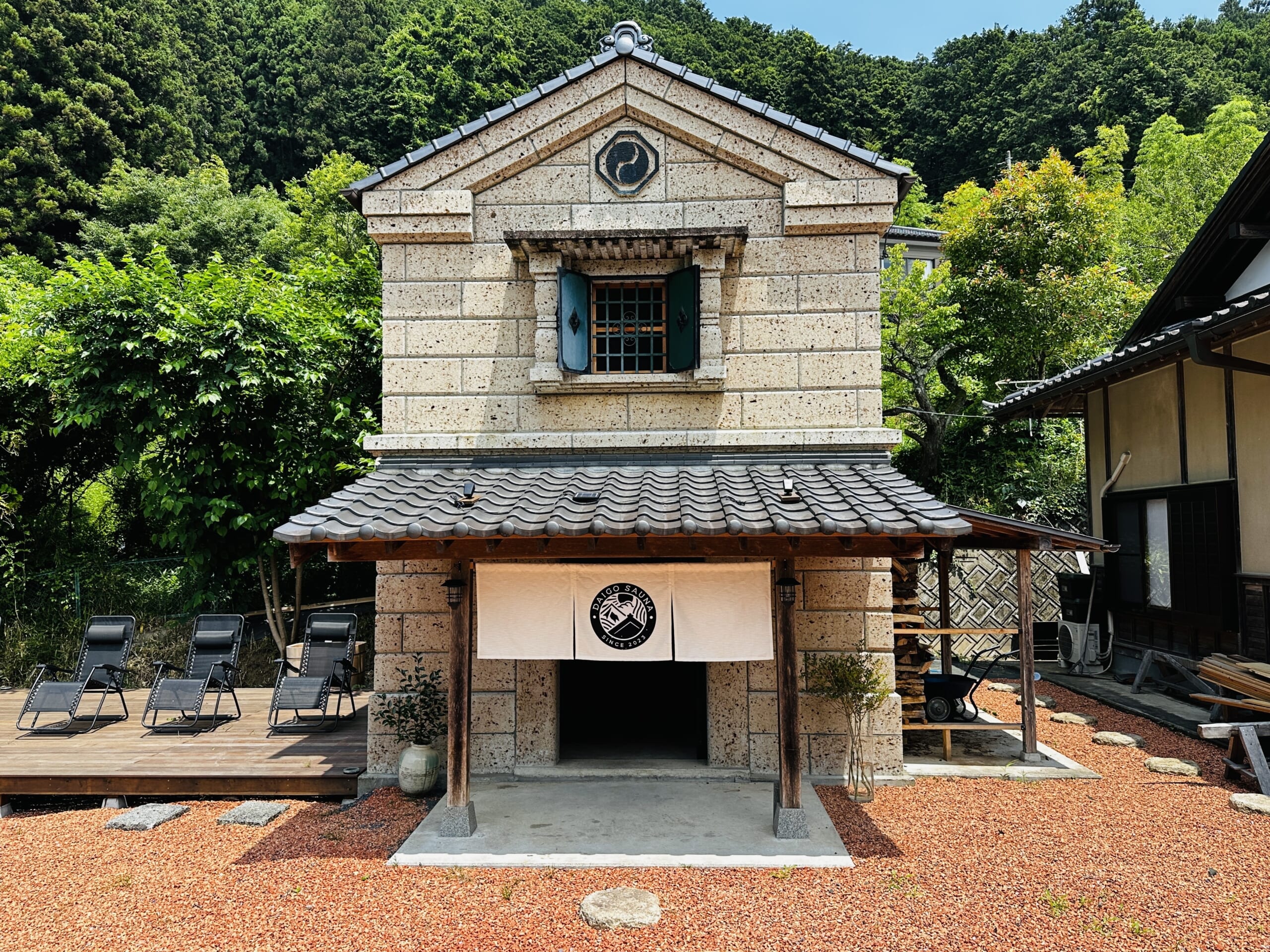
Travel to a less distant past in Daigo, where a shopping arcade brimming with nostalgia and history awaits. In a town known for its natural scenery and hot springs, the area around the Daigo Town Central Shopping Street offers a delightful contrast. The area has preserved the Showa era (1926-1989) atmosphere with its retro buildings, cafes and izakaya pubs. Interacting with locals while strolling along the pleasant shopping street will offer a glimpse into a bygone time and complement your nature-filled hike along the Hitachinokuni Long Trail.
Kanasago Area
Welcome to Hitachiota City, the site of the Kanasa Shrine Isode Grand Festival as well as numerous other historical and cultural experiences. The festival, which has been held once every 72 years since the year 851, commemorates an ancient ritual with a procession of around 500 people who walk 75 km from Nishi Kanasa Shrine and Higashi Kanasa Shrine to Mizuhikihama Beach over the course of a week. Other attractions in the area include Akaiwa Village and Jiware which is a crack in the ground, where you can delight in even more natural beauty and local traditions.
Natural Scenic Spots
The Overwhelming Beauty of the Trail
Okukuji Area
Visitors can enjoy four seasons of spectacular natural sites in the Okukuji area, where people have revered the beauty of nature since ancient times. Follow in the footsteps of countless others to experience the wonders of Mount. Nantai and Mount. Namase-Fuji, as well as the smooth rock face of Fukuroda Falls, one of Japan’s three most renowned waterfalls. The rolling Kuji River and the Okukuji Hot Spring Village, whose healing waters have left guests feeling rejuvenated and relaxed since the Heian period (794-1185), are also wonderful ways to experience nature in Okukuji.
Takado Kohama Area
Above the cliffs of Takado Kohama, which stretch for about one kilometer, a forest spreads out, allowing you to experience the enchanting beauty of both the forest and the sea. Through the gaps in the trees, you can catch glimpses of the picturesque sea and sandy beaches while feeling the gentle sea breeze as you stroll along the shaded forest path. If you descend to Sasaki Beach, which is mentioned in the ancient Manyoshu poetry anthology, you will see a coastal cliffscape similar to Takato Kohama, that was shaped over many years.
Satoyama Culture
The Life in the Countryside
Machiya Area
From the coast, the Hitachi no kuni Long Trail winds inland to the Machiya area, where you can immerse yourself in peaceful satoyama (undeveloped woodland near village) landscapes and culture. Overlooking the historic Machiya area, Kuroiso Bakke stands as a quiet guardian of the Satoyama, with views of the Tanagura Kaido road, once a thriving post town, and the traditional architecture of the Machiya. To the north of this area is the ‘Salt Road’, once used to transport salt from the sea to the inland areas. Walking along this ancient path surrounded by forests, you can encounter numerous waterfalls and beautiful wildlife that resemble paintings.
Mt. Tatsuware Area
In the center of Hitachi City is Mount Tatsuware, a mountain known for its collection of unusual rock formations that have been the origin of several local legends through the years. In the middle of Mount Tatsuware is a 7-meter-wide rock named the Tachiwari Stone. The stone looks as though it has been cut in half and is said to have been sliced in two by Minamoto no Yoshiie, a famous Japanese warrior of the Heian period (794-1185). The crossroads of legend and nature make this portion of the Hitachi no kuni Long Trail truly unique.
Information about the Hitachi-no-kuni Long Trail
From the coastlines of the Izura Coast and Takado Kohama to the forests and rural landscapes of Mount Nantai and Kuroiso Bakke, the Hitachi no kuni Long Trail offers an array of experiences for those seeking to delve deep into history, nature, and life in the satoyama of northern Ibaraki Prefecture. Accessible from Tokyo in 1 hour and 30 minutes at minimum, the Hitachi no kuni Long Trail brings together fascinating aspects of local history and lush nature for an unforgettable walk in rural Japan.
Contact Information:
Ibaraki Prefecture, Northern Region Development Bureau
978-6 Kasahara-cho, Mito-shi, Ibaraki 310-8555
kenpokusinkou2@pref.ibaraki.lg.jp