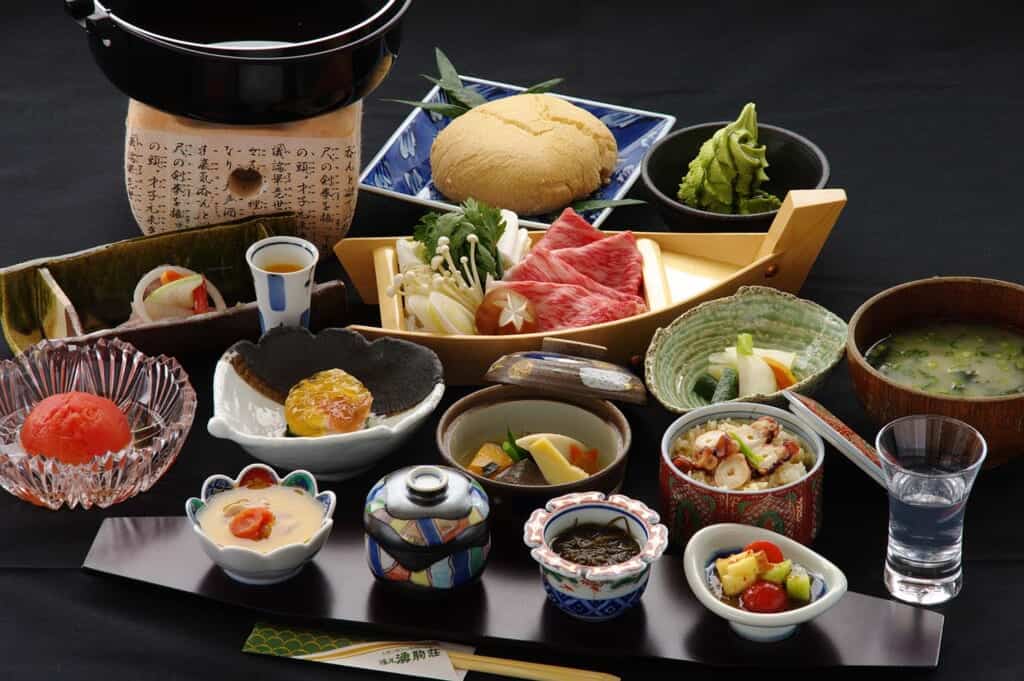
Japanese cuisine has an almost mythical reputation. From delicate slices of sashimi to steaming bowls of ramen, eating in Japan is often a highlight for travelers. Tokyo alone has more Michelin-starred restaurants than any other city in the world, and food culture is deeply woven into everyday life.
But for travelers with disabilities, especially wheelchair users, dining out in Japan can present challenges. Many restaurants are tucked into older, narrow buildings with steps at the entrance. Others are located on upper floors of walk-up buildings without elevators. Even when you make it through the door, interiors can be cramped, with little room to maneuver. And don’t expect an accessible toilet!
The reality is that finding accessible restaurants in Japan requires planning and, at times, a willingness to adjust expectations. Still, with the right strategies and tools, it’s very possible to enjoy the country’s remarkable food scene.
Using Restaurant Listing Sites
Restaurant databases and travel platforms are often the first stop when researching dining options and many have “wheelchair accessible” filtering options like the following (though they are often hidden away in the filters):
- Tripadvisor: Offers reviews in English and sometimes marks venues as “wheelchair accessible.”
- Klook: Known mainly for activities, but some dining experiences include accessibility details.
However, these listings are not always accurate and tend to be a basic (yes/no) answer to — Are you accessible? They listings are typically not verified and the answer is left to the owner. A restaurant might list itself as accessible despite having a small but impassable step at the entrance. On the other hand, some barrier-free restaurants never mention accessibility because the owners didn’t think to include it.

The safest approach is to treat online listings as a starting point, not a guarantee. If possible, ask your hotel staff to call and confirm details before you go. Japanese hospitality is attentive, and hotels are usually willing to check accessibility on your behalf. If that’s not possible, be ready to change plans quickly. Planning a backup option nearby can save a lot of stress.
The Value of Crowdsourced Information: WheeLog!
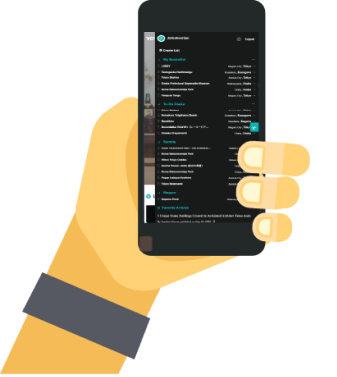
One of the most useful tools for navigating accessibility in Japan is the WheeLog! app.
WheeLog! is a crowdsourced map created by and for people with disabilities. Users share accessibility information about restaurants, shops, and public spaces, often including photos. This makes it much easier to know in advance whether you’ll face steps at the entrance or whether an accessible toilet is nearby.
Unlike restaurant directories that rely on self-reported information, WheeLog! gives you firsthand reports from people who have actually visited the location. That extra layer of certainty can make the difference between a smooth meal and a frustrating detour. Bonus: join the app and leave reviews for future travelers as a way to give back.
Safer Options: Department Stores, Shopping Malls, and Stations
If you’d rather minimize uncertainty, larger commercial complexes are a reliable option.
- Department stores often dedicate the top floors to restaurants, all reachable by elevator.
- Shopping malls are designed with wide corridors and accessible toilets.
- Major train stations in cities like Tokyo, Osaka, and Kyoto frequently house entire dining areas, ranging from quick-service counters to full restaurants.
These venues are rarely the most atmospheric, but they are consistent. Entrances are typically step-free, accessible restrooms are often nearby, and the variety of food choices means you can usually find something to suit your tastes.

Examples include Shinjuku’s Takashimaya Times Square, Tokyo Station’s Gransta dining mall, and the restaurant floors inside electronics stores like Yodobashi Camera.
Practical Extras: Cutlery, Straws, and Other Needs
Accessibility doesn’t stop at the doorway. Tableware can also be an issue.
While tourist demand has encouraged more restaurants to stock forks and spoons, many traditional places still only offer chopsticks. Even when forks are available, they may be small ones intended for children.
It’s a good idea to carry a compact travel set of cutlery and a reusable straw. These take up little space and ensure you can eat comfortably even if the restaurant doesn’t have what you need. (Bonus: in a pinch, convenience stores often have single-use cutlery and straws. Staff are likely generous enough to just give you what you need, but buying something is recommended.)
When Plans Change
There will be times when the restaurant you hoped to try simply isn’t possible. I once wandered around a neighbourhood looking for a Japanese restaurant I could get into in my power wheelchair but ended up eating pancakes at a nearby family restaurant. It wasn’t what I planned, but it was actually pretty good.
The lesson is simple: adaptability is essential. Sometimes the most enjoyable meals are the ones where you don’t have to struggle just to get in the door.
Planning Tips at a Glance
But since things can easily get lost in all the travel preparations, here are the most important tips:
- Confirm in advance – If possible, ask hotel staff to call the restaurant to check accessibility.
- Use WheeLog! – Firsthand, crowdsourced information is the most reliable.
- Choose large complexes for reliability – Department stores, malls, and station dining areas are your safest bet.
- Bring your own utensils – A small fork, spoon, or straw can be invaluable.
- Stay flexible – Always keep a backup option nearby.
Making the Most of It
Eating in Japan can be one of the most rewarding parts of a trip, but accessibility adds extra layers of planning. Many small, traditional restaurants are not designed with wheelchairs in mind, and accessibility information online is often incomplete or inaccurate.
Still, by combining careful research with practical tools like WheeLog!, and by favoring larger complexes when you want certainty, it’s very possible to enjoy Japan’s incredible food culture. The key is to plan ahead, confirm where you can, and remain ready to adjust your plans if needed.
With a bit of preparation and flexibility, you’ll find that Japan’s culinary treasures are still very much within reach.
Featured image: Chris Mollison





No Comments yet!