Less than an hour from central Tokyo, Omiya in Saitama Prefecture is one of the region’s most important transportation hubs. Fifteen rail lines converge here—including six Shinkansen routes—making the city a gateway to northern and eastern Japan. That and the fact it has one of the country’s largest railway museums has turned Omiya into something of a pilgrimage site for train enthusiasts.
Despite this, Saitama has long carried the nickname “Dasaitama,” a mash-up of dasai (“uncool” or “lame”) and the prefecture’s name. The stereotype has often led Tokyoites to overlook the area—but spend a day in Omiya and it quickly becomes clear that Saitama Prefecture has far more to offer than the joke suggests.
Step Into Japan’s Rail Past and Future
Opened in 2007 by East Japan Railway Company, The Railway Museum replaced the Transportation Museum that once stood near Manseibashi Station in central Tokyo. For a time it was the largest railway museum in Japan, until the opening of the Kyoto Railway Museum in 2016. Nonetheless, it remains a must-see attraction for anyone visiting Omiya.
Starting in the museum’s Main Building, there’s Rolling Stock Station, where 36 full-size trains are displayed. The exhibition begins with Locomotive No. 1, which ran on Japan’s first railway line back in 1872, and continues onto the streamlined Type 21 Shinkansen (0 Series), introduced with the opening of the Tokaido Shinkansen in 1964.

There’s also a working steam locomotive on a turntable at the center of Rolling Stock Station, which sounds its whistle and slowly rotates at 12pm and 3pm.
In the South Building, the focus shifts to modern high-speed rail, including examples of the E5 Series Shinkansen, capable of reaching 320 km/h on the Tohoku Shinkansen. Just outside, an open-air exhibition area displays several additional railcars.
The Railway Museum is open Wednesday through Monday from 10am to 5pm. Admission costs 1,600 yen for adults, 600 yen for high school through elementary school students, and 300 yen for younger visitors.

Many exhibits feature signage in both Japanese and English, and a free multilingual app is available to download for a more in-depth experience.
The museum also has a gift shop, several dining options (including a restaurant), and coin lockers.
 The Railway Museum
TOURIST ATTRACTION- Japan, 〒330-0852 Saitama, Omiya Ward, Onaricho, 3 Chome−47
- ★★★★☆
Where the Journey Slows
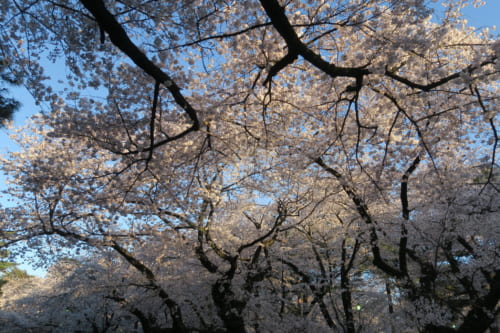
Just northeast of Omiya Station lies Omiya Park, a roughly 170-acre green space and the largest park in Saitama Prefecture. For comparison, it covers about three times the area of the Tokyo Dome grounds. The park is especially famous for its sakura (cherry blossoms), with around 1,000–1,200 trees earning it a place among Japan’s Top 100 Cherry Blossom Viewing Spots. Beyond the spring bloom, visitors will find a Japanese red pine forest—some trees here are more than a century old—along with ponds, walking paths, and sports facilities.
When the park opened in 1885, however, it was known as Hikawa Park, reflecting its close association with nearby Hikawa Shrine—officially called Musashi Ichinomiya Hikawa Shrine. The shrine also gave the surrounding district its name: Omiya, meaning “great shrine.” According to tradition, Hikawa Shrine was founded in 471 BC during the reign of Emperor Kosho.
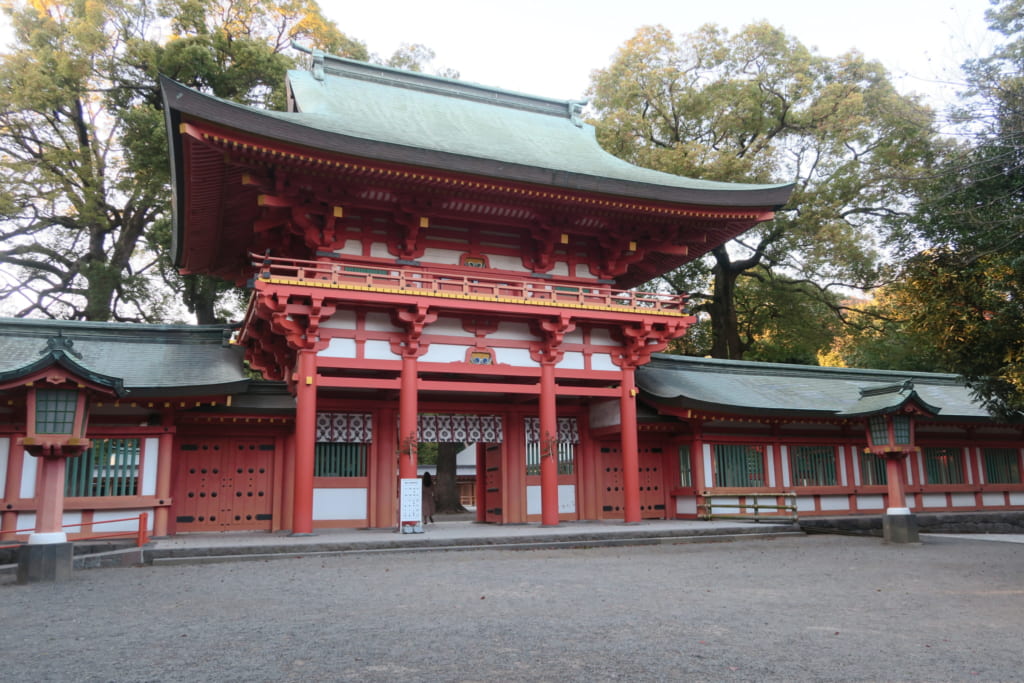
The shrine historically served as one of two ichinomiya, or highest-ranked shrine, in Musashi Province, which once included much of present-day Saitama as well as parts of Tokyo and Kanagawa. Today, its tree-lined approach and spacious grounds provide a quiet contrast to the busy station district nearby.
- Omiya Park
ESTABLISHMENT - 4 Chome Takahanacho, Omiya Ward, Saitama, 330-0803, Japan
- ★★★★☆
- Musashi Ichinomiya Hikawa Jinja
ESTABLISHMENT - Japan, 〒330-0803 Saitama, Omiya Ward, Takahanachō, 4-chōme−1−407
- ★★★★☆
Tracing Saitama’s Story Through the Ages
Located in the northern part of Omiya Park, the Saitama Prefectural Museum of History and Folklore places Saitama Prefecture within the broader story of Japanese history. The museum’s permanent exhibition traces the region’s development from the Jomon period through the medieval era and into the Edo and Meiji periods.
The exhibition also highlights the rise of the Musashi samurai, local warrior families who emerged during the medieval period and played important roles in regional conflicts during the Nanbokucho and Muromachi eras.
What’s more, the museum has an extensive collection of itabi, large stone memorial tablets. Widely produced in eastern Japan during the Kamakura and Muromachi periods, these monuments were erected to commemorate the dead or gain spiritual merit.
The Saitama Prefectural Museum of History and Folklore is open Tuesday through Sunday from 9:30am to 5:30pm. Tickets cost 300 yen for adults or 150 yen for students. There is also a small gift shop, cafe, library, coin lockers, and workshop space where visitors can try indigo dying and other traditional handicrafts.
- Saitama Prefectural Museum of History and Folklore
ESTABLISHMENT - 4-chōme-219 Takahanachō, Omiya Ward, Saitama, 330-0803, Japan
- ★★★★☆
Rooted in History
Lastly, in the quiet neighborhood of Toro, lies Omiya Bonsai Village, a small district devoted to the art of bonsai. Six traditional bonsai nurseries here are open to the public, alongside the Omiya Bonsai Art Museum, which opened in 2010 as the first public museum in the world dedicated entirely to bonsai.
The village was established in 1925, when a group of professional bonsai growers relocated from Tokyo following the devastation of the Great Kanto Earthquake. Seeking cleaner air and better growing conditions, they settled in what was then rural Saitama Prefecture. At its peak, more than 30 bonsai nurseries operated here.
Omiya Bonsai Village and the museum are open Friday through Wednesday from 9am to 4pm. Admission costs 310 yen for adults, 150 yen for college and high school students or visitors over 65, and 100 yen for junior high school students and younger visitors.
- Omiya Bonsai Art Museum
TOURIST ATTRACTION - Japan, 〒331-0804 Saitama, Kita Ward, Torocho, 2 Chome−24−3
- ★★★★☆
How to Get to Omiya
Omiya is approximately 30 to 40 minutes from central Tokyo by train.
From Shinjuku or Shibuya stations, take either the Shonan-Shinjuku Line or Saikyo Line directly to Omiya Station, the city’s primary rail hub and the main starting point for exploring the surrounding area. Those departing from Tokyo Station can instead use the Utsunomiya Line, which also provides direct access.
Once at Omiya Station, several nearby lines offer convenient connections to major attractions.
- Ōmiya Station
TRAIN STATION - Nishikicho, Omiya Ward, Saitama, 330-0853, Japan
- ★★★☆☆
The New Shuttle, an automated guideway transit line with onboard staff, links Omiya Station with Tetsudo-Hakubutsukan Station, which is connected to The Railway Museum. To reach Omiya Park, take the Tobu Urban Park Line (also sometimes called the Noda Line) to Kita-Omiya Station, while Toro Station on the Utsunomiya Line is closest to Omiya Bonsai Village.


No Comments yet!