I’d only been in my room at Banyan Tree Higashiyama Kyoto a matter of minutes when I heard a knock at the door. Standing outside were three staff members welcoming me to the hotel with a gorgeously wrapped gift of confections. After a quick apology for the disturbance, they quickly slipped away. Having already had a brief look around the place, I knew I would enjoy my time at this luxury urban hillside resort, but it was these little extra touches that made my short stay there so special.
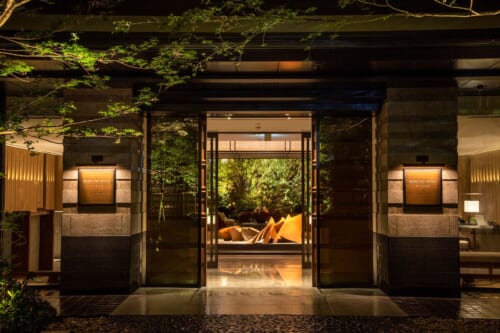
Opened near the renowned UNESCO World Heritage Site, Kiyomizudera Temple, in August 2024, Banyan Tree Higashiyama Kyoto blends time-honored Japanese materials with modern minimalism. An intimate retreat, featuring its own bamboo garden and a noh theater stage, the design of the exterior of the property was led by Kengo Kuma and his internationally acclaimed architecture firm Kengo Kuma & Associates as “a sanctuary at the boundary between the Forest and the city.”

The geometric latticework framing the entrance, a trademark of Kuma’s work, looks majestic, though the interior design is just as impressive. From the elegant reception space, where I was presented with a refreshing drink and snack while checking in, to the 5,500-square-feet spa area, it’s a hotel that has been designed to embody the Japanese concept of yugen; a mysterious sense of beauty that is felt rather than explicitly stated.
Rustic Yet Refined
This is evident in the 52 guest rooms. Evoking a sense of luxurious tranquility, the focus is on the ambiance, not the materials. That was the philosophy of the late great designer Yukio Hashimoto, the man responsible for the layout of the rooms. There are six different types of accommodation, including eight rooms with private onsen baths fed by natural hot springs. The most lavish is the Banyan Onsen Retreat King, which spans 74 square meters.
I stayed in one of the Grand Serenity King rooms featuring tatami flooring, a large sofa, a separate walk-in shower and an extremely comfortable king-sized bed. A refined space to relax, I made the most of the stunning views of Kyoto’s ancient cityscape from the chabudai (low, short-legged Japanese table) sitting area while enjoying my gift from the hotel. The highlight, though, was the hibawood soaking tub with its citrus-like aroma, which is known for its therapeutic benefits, such as lowering stress hormones.
A Fine Dining Experience
I only had time for a short soak, though, as dinner was waiting for me downstairs. I dined at Kappo restaurant Ryozen, named after the popular hot spring inn that was previously located at the site. The menu, which focuses on seasonal and local ingredients, included seven courses paired with a variety of sake. From the time the appetizers came out, featuring Pacific saury sushi, steamed duck breast, pumpkin tofu, and much more, I knew it would be an exceptional meal. The standout dish, though, was the melt-in-your-mouth Yonezawa beef Ichibo with three kinds of seasonal grilled vegetables.
The versatility and composition of the sake matched well with the various dishes, particularly the sparkling Kagura Roka, which has a taste profile similar to wine. It was the pick of the drinks, though, in truth, everything went down smoothly. By the time dinner had finished, I was feeling a little tipsy, yet wasn’t ready to retire to bed just yet. Instead, I decided to head down for a nightcap at the sophisticated and intimate Bar Ryozen, where the options are plentiful. I was advised to try one of the bar’s signature cocktails.
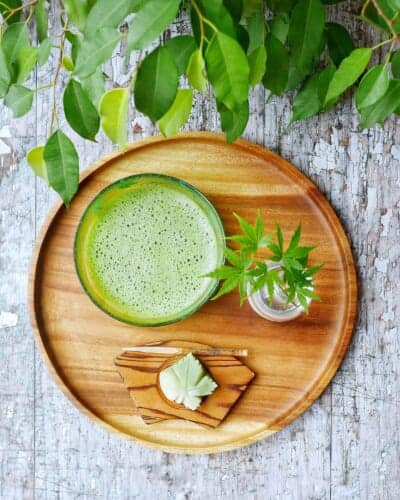
There were six to choose from, plus a seasonal offering. I went for Sake Seduction, combining two types of sake with matcha and cherry blossom. Balancing the earthy notes of green tea with the delicate sweetness of sakura, it had a distinctive Japanese flavor profile that was very refreshing. Sipping away while listening to the skilled mixologist talk about the history of Ryozen, I was tempted to try a few more of the drinks on the menu, but tiredness took over and I decided to retire to my room for one more soothing soak in the bath before bed.
A Sanctuary for the Senses
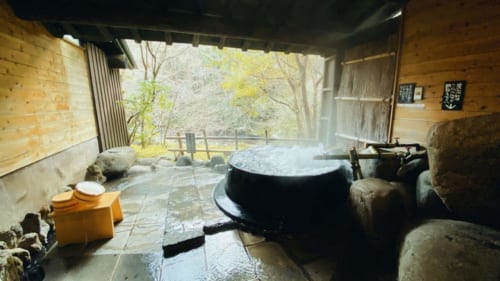
If that wasn’t relaxing enough, I chose to start the following day with another soak in the bath. However, this time it was in the public hot spring on the first floor of the hotel. The iron-rich water, which comes from natural hot springs in the area, is said to boost blood circulation, lower stress, relax muscles and reduce pressure on joints. Sweating also helps to clear clogged pores and flush out bodily toxins. On top of all that, it just feels great. Sitting outside in the open-air bath was the perfect way to start the day.
For the ultimate pampering experience, guests can also reserve a spa treatment. Options include Royal Banyan, a 150-minute session that, according to staff, delivers the best of Eastern and Western massage techniques, using a warm herbal poach dipped in sesame oil. There are also five full-body massages to choose from: Balinese, Deep Tissue, Gentle Touch, Thai Classic and Thai Essence, as well as 30- and 60-minute facials. For those who want to combine their massage with a hot spring soak, the 120-minute Onsen Indulgence treatment is another option.
Surrounded by Peace and Tranquility
Rather than going for a massage, though, I decided to return to Ryozen for breakfast. Having feasted on a kaiseki course the night before, I opted for the Western-style meal, featuring fluffy scrambled eggs, bacon, sausage and much more. My view while eating was of the garden, which includes a classical noh theater stage, which Kuma told Dezeen was “arguably the most symbolic place within the hotel that reflects the concept of yugen.” The next noh performance at Banyan is scheduled for January 1, 2026. Twice a month there are also maiko performances.

Behind the noh theater stage is a tranquil bamboo forest that’s similar to the famous Sagano Bamboo Grove in Arayashima — only much smaller and with far fewer people. Guests can enjoy a morning yoga session near the forest that is aimed at providing a peaceful and relaxing experience to help restore balance to the body and mind. Those looking for a more intense workout can make use of the fitness center, which is equipped with the latest exercise equipment.
Checking Out
The only problem with Banyan Tree Higashiyama Kyoto is that you have to check out. Leaving at 12pm, I went for a stroll near the hotel, in the historic district of Higashiyama, which is known for its stone-paved streets, narrow lanes and wooden buildings. One of the most picturesque areas of Kyoto, it is typically filled with throngs of people. It’s the same with Kiyomizudera Temple, also just a short walk away. Though these sightseeing spots are seen as a must for most first-time visitors to Japan, as you battle the crowds, it’s easy for your mind to drift back to the peace and serenity of Banyan Tree.
 Banyan Tree Higashiyama Kyoto
ESTABLISHMENT LODGING POINT_OF_INTEREST- Japan, 〒605-0861 Kyoto, Higashiyama Ward, Seikanji Ryōzanchō, 7番地
- ★★★★☆




No Comments yet!