If you’re planning a trip to Japan, doing business with Japanese partners, or simply curious about the current time in Japan, you’re probably wondering: What time is it in Japan, the land of the rising sun? Understanding Japan’s time zone and how it differs from other major cities worldwide is essential for travelers, remote workers, and anyone trying to keep in sync with this fascinating country.
Let’s explore what Japan Standard Time (JST) is, how it came to be, and what it means for international time differences.
What Time Zone is Japan?
Japan operates under a single time zone called Japan Standard Time (JST), known in Japanese as Nihon Hyojunji 日本標準時. This time zone is set at UTC +9 hours, meaning Japan is nine hours ahead of Coordinated Universal Time (UTC). JST doesn’t observe Daylight Saving Time (DST), making it one of the most stable time zones in the world.


No matter where you are in the country, from the snowy landscapes of Hokkaido in the north to the tropical beaches of Okinawa in the south, the time in Japan is always the same. This consistency makes scheduling much easier within the country, especially for trains, flights, and business meetings.
A Brief History of Time Zones in Japan
Before the Meiji Restoration in 1868, timekeeping in Japan was based on local solar time. Each region operated independently, with noon determined by the position of the sun. This method worked fine in a largely agrarian society, but posed problems with the arrival of railways and telecommunication.
In 1888, the Japanese government passed Ordinance 51, standardizing time across the nation to a single time zone based on the 135th meridian east. This was a pivotal moment in modernizing Japan’s infrastructure.
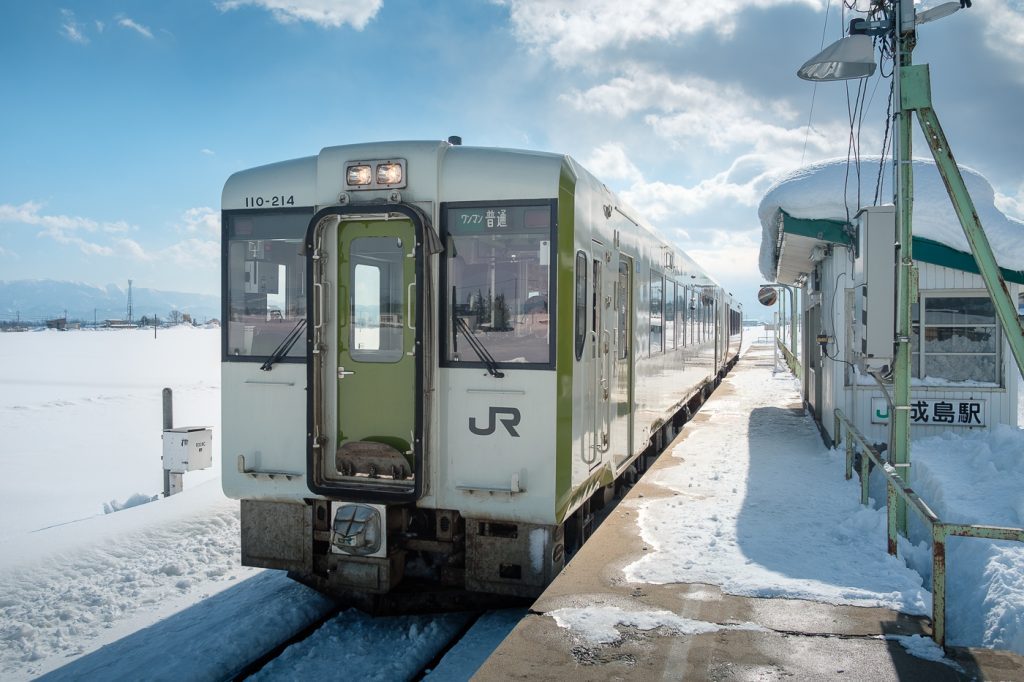
In 1895, during Japan’s colonial rule over Taiwan, a secondary time zone called Western Stantard Time, Seibu Hyojunji 西部標準時, was introduced, used in Taiwan and parts of Okinawa. However, this system was abandoned in 1937, and since then, all of Japan, including Okinawa, has shared a single time zone: JST.
Does Japan Use Daylight Saving Time?
The short answer is no. Japan does not currently observe Daylight Saving Time (DST). However, there was a brief period when DST was implemented during the American occupation following World War II. Between 1948 and 1952, Japan adjusted its clocks for summer, starting DST in May and ending it in September.

After the US occupation ended, Japan abandoned the practice. While there have been occasional debates about reintroducing DST, especilly to conserve energy, most of the population and government remain opposed, citing inconvenience and limited benefit.
This means the time in Japan stays constant year-round, a welcome feature for those living or traveling here.
Japan Time Zones: Comparing Time Zones Across the Globe
Now that we know Japan is always at UTC +9, let’s look at how that compares to major cities and regions around the world. This is especially helpful if you’re coordinating international meetings or traveling across multiple time zones.
Time Difference Between Japan and Neighboring Countries
- South Korea: UTC +9 — Same time as Japan.
- China (Beijing): UTC +8 — Japan is one hour ahead.
- Thailand (Bangkok): UTC +7 — Japan is two hours ahead.
- India (Mumbai): UTC +5:30 — Japan is three hours and 30 minutes ahead.
- Indonesia (Eastern Time): UTC +9 — Same time as Japan (e.g., Papua).
Time Difference Between Japan and Major Western Cities
- London (UK):
- Winter: UTC +0 — Japan is nine hours ahead.
- Summer (DST): UTC +1 — Japan is eight hours ahead.
- Paris (France):
- Winter: UTC +1 — Japan is eight hours ahead.
- Summer (DST): UTC +2 — Japan is seven hours ahead.
- New York (USA):
- Winter: UTC -5 — Japan is 14 hours ahead.
- Summer (DST): UTC -4 — Japan is 13 hours ahead.
- Los Angeles (USA):
- Winter: UTC -8 — Japan is 17 hours ahead.
- Summer (DST): UTC -7 — Japan is 16 hours ahead.
- São Paulo (Brazil):
- UTC -3 — Japan is 12 hours ahead year-round.
Knowing these differences can help you avoid missed calls, jet lag confusion, or awkwardly timed messages when dealing with contacts in Japan.
Why is Japan Called the Land of the Rising Sun?
Japan is famously called “the land of the rising sun” because it lies to the east of the Asian continent and is one of the first countries to see the sunrise each day. With a time zone set nine hours ahead of GMT, Japan begins its day well before most other countries. This symbolic connection to the rising sun is even reflected in the country’s name: Nihon or Nippon 日本, which means “origin of the sun.”

Whether you’re visiting Tokyo, Kyoto, Osaka, or rural Japan, knowing the local time can help with travel logistics, event planning, and general coordination. With no daylight savings to worry about and one consistent time zone across the entire country, Japan makes it easy to keep track of time.
Need more Japan travel tips? Check out our Japan Travel Guide for practical advice, cultural insights, and itinerary suggestions before your visit!
Translated by Mark Webster
Cover photo: Tim D







No Comments yet!