La Carmina first popped up on my cultural radar in the noughties when blogs were a relatively new concept and people could invest themselves in online metaphorical windows which reaffirmed their vision and perceptions of the world in which we live. Her vibrant goth aesthetic and novel take on what she experienced on her travels in Japan seemed like a breath of fresh air. So, it was no real surprise that La Carmina’s stock rose very quickly and her writing and opinions on Japan appeared in a plethora of media including Travel + Leisure, The New York Times, National Geographic, CNN, BBC, and Time Magazine. Voyapon spoke with La Carmina about her love of Japan for the latest installment of our Living Japan series.

Can you tell me when your interest in Japan began and how this interest has shaped your career?
I grew up in Vancouver, Canada, but traveled to Hong Kong almost every year to visit relatives. While my family was in the region, we typically popped over to Tokyo. As a child, I fell in love with the vibrant Japanese pop culture and fashion I encountered: Harajuku in the 90s felt like an alien planet compared to my Canadian hometown! I have fond memories of browsing cute character stores, eating sushi at conveyor belt restaurants, and being mesmerized by the neon lights and chaos of Shinjuku. This fascination continued to grow as I began experimenting with Japanese Goth fashion as a teen, and starting my La Carmina Blog to chronicle my Gothic and alternative adventures in Tokyo and beyond.
You aren’t actually a resident in Japan but you spend a significant amount of time here. Can you tell me more about your relationship with Japan and why you keep returning?
I’ve been spending approximately a month or more in Tokyo and other parts of the country, every year since 2008. I’m fortunate to receive frequent opportunities to be in Japan for my work as a travel and fashion journalist, author and content creator @lacarmina. I come back for jobs through TV shows (for networks like Travel Channel, National Geographic and Food Network), tourism boards, and various companies.

No matter how many times I return to Japan, I always find offbeat and spooky places to experience and report on. For example, I recently covered a Hajime Sorayama-themed bar in Shibuya, and descended into a Buddhist Hell temple in Osaka. I also return to see my close friends, many of whom are creatives in Tokyo’s subculture; I’m endlessly inspired by their boundary-pushing creativity in drag, vogue, shibari (rope bondage), butoh, and other art forms. Plus, I need to get my fix of affordable sushi and stock up on Japanese skincare!
You are known for your interest and content about Harajuku and subcultures but I know you have traveled extensively throughout Japan. Can you share some of your favorite places in the country?
I’m a huge stan of Tohoku, the laid-back and mountainous region north of Tokyo that extends to the tip of Honshu Island. Visiting these six prefectures (Aomori, Iwate, Miyagi, Akita, Yamagata, and Fukushima) feels like a throwback to 1990s Japan: I can experience traditional culture, food, and wholesome activities like apple picking without running into crowds of foreigners.
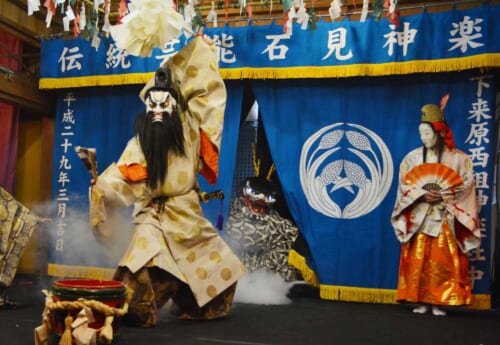
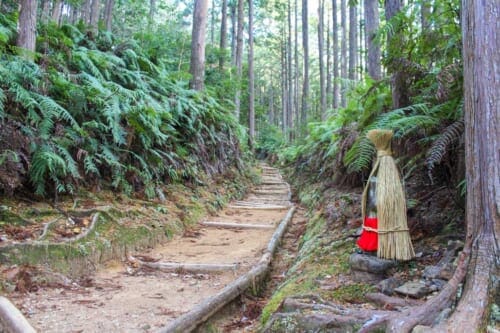
All around Tohoku, travelers can take part in interactive experiences like tekiseisha lacquer polishing and nebuta lantern making. My favorite activities include trekking past waterfalls at Aomori’s Oirase stream, and being ferried through the high rock cliffs of Iwate’s Geibikei Gorge by a folk-song-singing oarsman. I recently ran around a pink Pokemon playground in Koriyama, Fukushima, and enjoyed the snowy terrains and steaming hot springs at ANA Intercontinental Appi Kogen hotel in Iwate. There’s just so much to experience within a few hours train ride from the capital!
Japan has experienced a huge increase in inbound tourism of late. Do you have any tips for first time visitors and do you have any tips for any off-the-beaten-track locations?
I’ve been quite vocal about my frustration with the recent over-tourism in Tokyo and other major cities – it’s ridiculous how crowded Shibuya, Harajuku, and Kabukicho have become, along with landmarks like Senso-ji. First-time visitors may not feel as miffed because they lack the frame of reference of a seasoned traveler who has been spending significant time in Japan since the 1990s. However, I encourage them to avoid booking hotels, restaurants and activities based on whatever went viral on social media, as these places tend to have long lines and are packed with tourists. Instead, ask residents and experienced travelers for their recommendations, and wander off to less trafficked neighborhoods. Local trains are fast and inexpensive, so why not explore?
In addition, first-time visitors to Japan can consider flying to a city other than Tokyo. For example, Air Canada has a new direct route from Vancouver to Sapporo’s Chitose Airport starting in December. I’m excited for this upcoming flight as it would let me bypass the long lines and crowds at Tokyo’s airports, and conveniently reach Hokkaido from North America.

You began your acclaimed blog which focused a lot around Japan in 2007, so I wanted to ask how you think Japan has changed since then?
My friends and I often reminisce about the pre-smartphone and early social media days! Back then, Japan was far more challenging to navigate – you couldn’t simply whip out a phone and use Google Maps or a translation app, and it was harder to book accommodations and transport online. My friends and I recall printing out MapQuest directions, and finding out about Goth underground parties through flyers left in Harajuku boutiques. There was little information about the alt scene online other than the odd MySpace post, which is why I started my La Carmina Blog. We yearn for the analog days when there were fewer travelers and everything felt more mysterious and inaccessible.
I heard that you have recently traveled to and spent time in Tohoku. Can you tell me more about that experience?
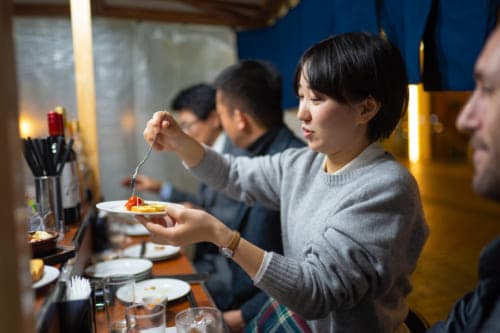
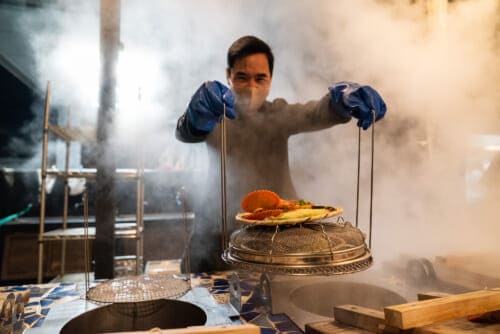
I’ve been to Tohoku a few times, and am consistently blown away by the culinary scene. The Pacific Ocean’s currents create a thriving environment for fish and seafood, while the region’s rugged terrain is ideal for farming and raising cattle. Akita’s spectacular produce and rice come alive in the beautifully presented vegan kaiseki of Chef Eiko Suwa’s Kuromanta, which focuses on fermented dishes and seasonal, organic plants and herbs from her garden.
Aomori’s cooler climate also makes it an emerging spot for natural wines, some of which are blended with juicy local cherries, pears, peaches, and apples. I’m still thinking about the Italian-Japanese meal I had at Chef Michiaki Sasamori’s Osteria Enoteca Da Sasino. After training at Michelin-starred restaurants in Italy, he returned to his hometown (the castle town of Hirosaki) with the aim of developing it into a wine-making region. Sasamori established a vineyard at the foot of Mount Iwaki where he produces phenomenal small-batch Nebbiolos and Malvasias, as well as his own charcuterie.

Another favorite food memory from my recent trip: in Hachimantai, Iwate, I took a cooking class with the adorable Grandmother Hitomi. Her charming, rustic home felt straight out of a movie set, and she had a constant smile on her face as she taught me how to grind miso paste, brush it over rice on a stick, and grill this comforting dish over charcoal.
You are known for your gothic aesthetic and content. Can you tell me more about being a goth here in Japan and how gothic culture is perceived in Japan?’
The Goth scene in Japan is full of talent and innovation. Event organizers like Mistress Maya of Midnight Mess put on regular parties that might alternate Gothic Industrial DJs with avant-garde music and dance, artistic bondage, and the opportunity to lie in a coffin! The evil queens of Haus von Schwarz put on spectacularly spooky drag shows — I was at their Halloween Casket of Horrors that featured demonic international performers. My Goth friends and I love to check out dark places in Tokyo and beyond, from a haunted izakaya and gore-themed bar to Yokohama Foreigner’s Cemetery and the annual Koenji yokai parade. Unlike in the West, Goth tends to be perceived as an aesthetic choice in Japan, rather than be associated with the Devil or other negative forces — so nobody bats an eye if you’re riding the subway while dressed as if you’re heading to a zombie Victorian funeral!
I began my career here as a fashion writer. And I know you have and still hold a deep interest in fashion in Tokyo and Japan. Can you tell me a little bit more about your interest in Japanese culture and fashion in 2026?
I’m forever fascinated by subculture fashion in Japan, from 90s decora (think neon cute barrettes and accessories galore) to ganguro and gyaru, Gothic Lolita and beyond. I love seeing the evolution of style tribes over the years, such as the recent jirai kei trend followed by Y2K throwbacks. It fills my cup to discover new indie designers and come across extraordinary streetstyle as I wander around. In 2026, I’ll continue to stay true to my site’s origins and take people inside Tokyo’s vibrant alternative Goth culture, fashion, nightlife, and art scenes on my Instagram @lacarmina and site LaCarmina.com.






No Comments yet!