Voyapon writer, Patrick Kelly, details a week in his life in the latest installment of our series My Japan.
Being a freelance writer means my days rarely follow a set routine. Instead, each week unfolds differently, shifting with deadlines, projects, and whatever else life decides to throw my way. That unpredictability is part of what I love about freelancing — no two days feel exactly the same, and inspiration can strike when I least expect it.
The same could be said for life in Japan as well. No matter how long I’ve lived here, I still feel there’s always something new to discover or somewhere waiting to be explored.
So, what exactly does a “typical” week look like for me? It really depends. In this article, though, I’ll share a few moments from a week in my life.
Monday
This Monday happened to coincide with Culture Day (Bunka no Hi), a Japanese public holiday that celebrates culture, the arts, and academic endeavors. That being said, even though I had an opportunity to sleep in, I still woke up around 7:30am to have breakfast. A bit unusual for such an early meal, but I decided to make nekomanma (or “cat rice”) from some leftovers. It’s a simple dish of rice mixed with miso soup that people used to feed to alley cats, but honestly, it’s the kind of comforting, no-frills food that is perfect on a chilly morning.
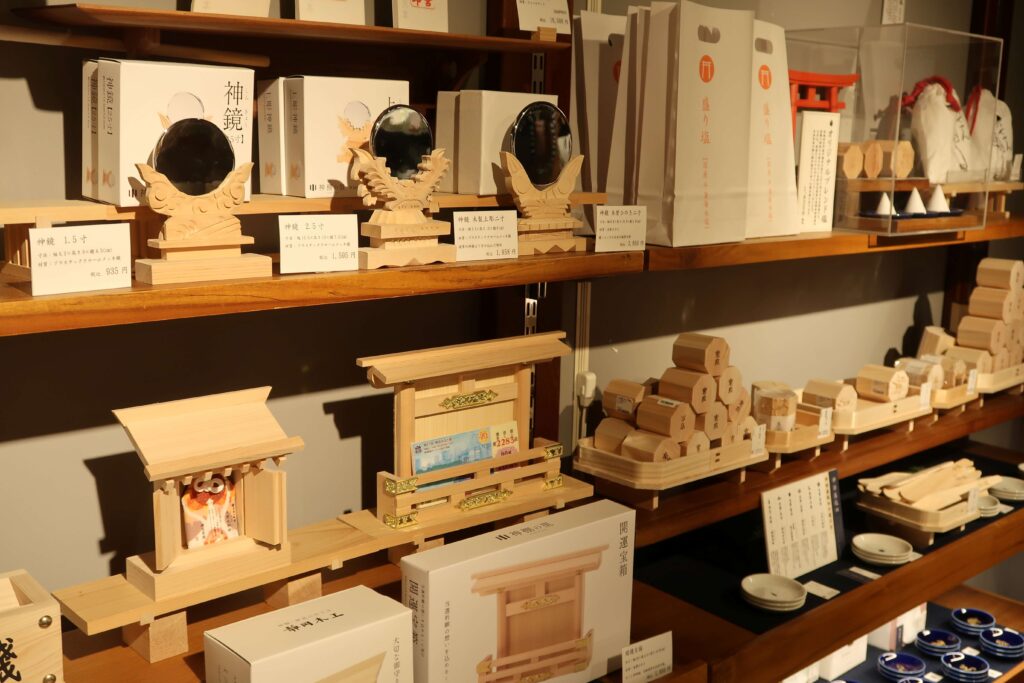
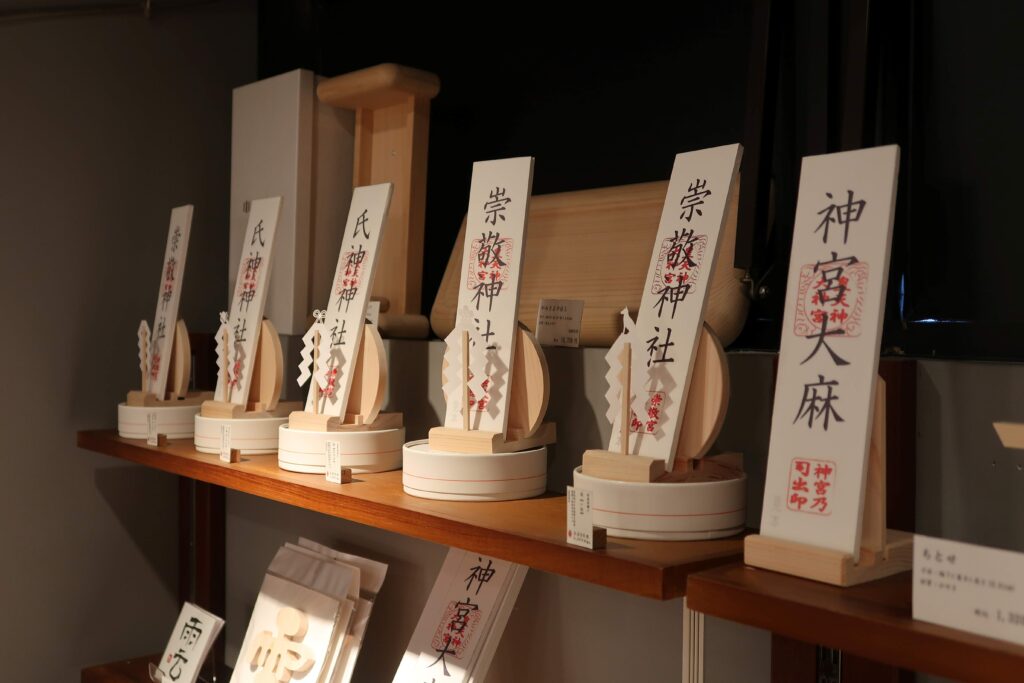
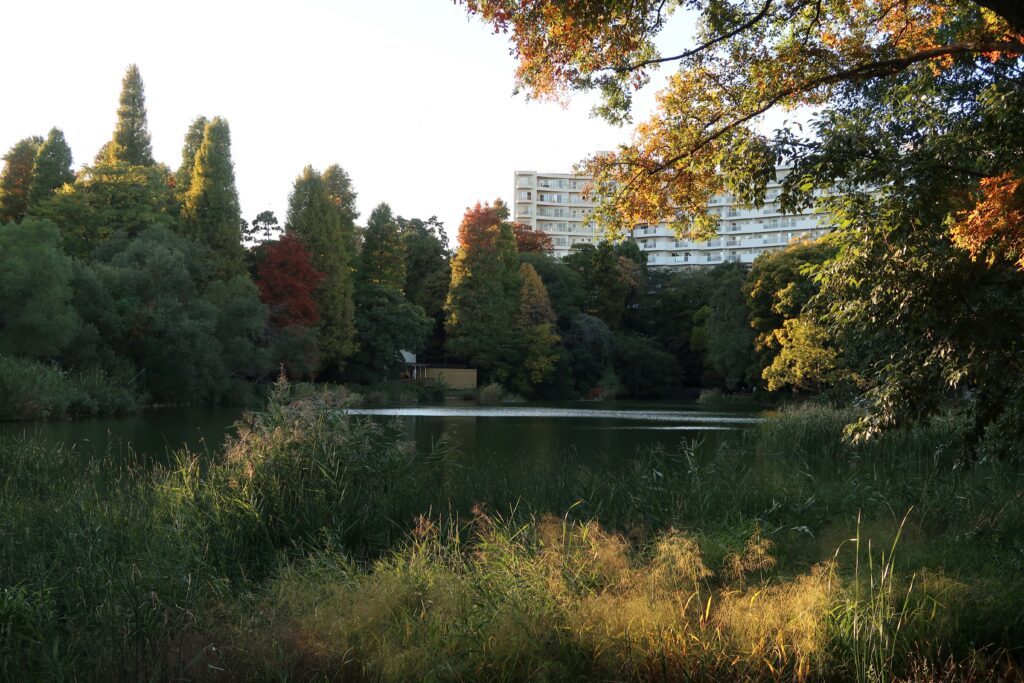
After that, I did some chores around the house, checked the news, and responded to some work-related emails. Even though it was much later than we had originally planned, my wife and I then decided to visit Inokashira Park around 3:30pm. I think a lot of other people had the same idea, since the park was pretty crowded. Still, it was nice to stroll around the pond. We then wandered over to Kichijoji and came across a really interesting store selling items for in-home, miniature Shinto shrines known as kamidana, which literally translates as “god/spirit shelf.”
 Parque Inokashira
ESTABLISHMENT- 1-chōme-18-31 Gotenyama, Musashino, Tokyo 180-0005, Japan
- ★★★★☆
And, to mark Culture Day in our own small way, we had dinner at a traditional Japanese teishoku (set menu) restaurant later that evening.
Tuesday
One of the perks of being a freelance writer is having the freedom to shape your own schedule. I can shift my days around depending on the weather, my energy level, or which project I feel most inspired to tackle — so long as I manage my time responsibly.
And, that’s exactly what I did this Tuesday morning when I opted to go grocery shopping around 8am. Most grocery stores in Japan don’t open till 9am or later, but they do stay open late — usually till 11pm or even midnight. However, there are a few 24-hour stores around and, taking advantage of this, I got all my shopping done before things get busy when people return form work.
After getting back home, I had a quick breakfast and started working on an article for Voyapon. Some days that means taking photos or editing, but today I just settled in to write.
Wednesday
I had some tasks I needed to complete today, so I got up around 6:50am and, while in Chiyoda-ku, found out I was near a very unique Shinto shrine. So, once I finished what I had to do, I decided to check it out. Exploring the city is something I never get tired of. Sometimes I plan things out, other times I just follow my instincts and see what catches my eye.
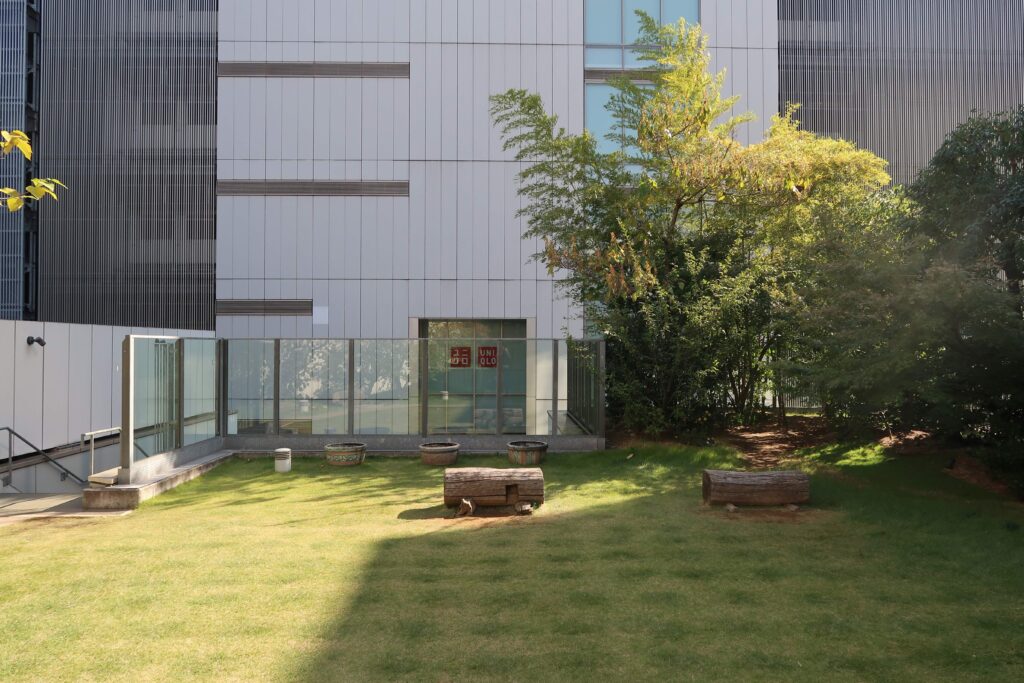
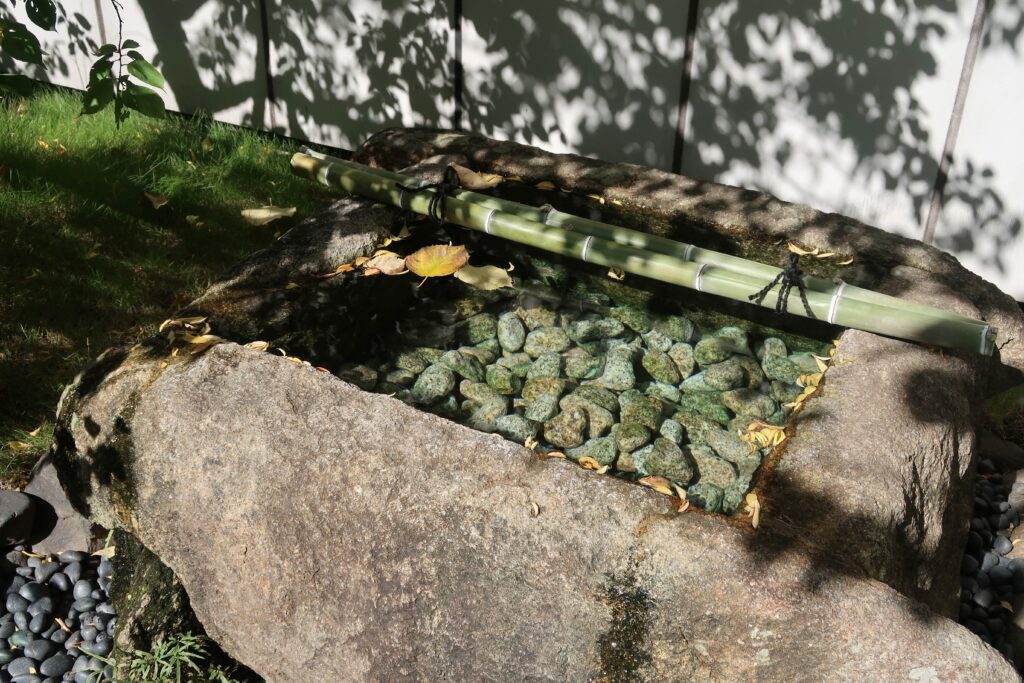
Either way, I arrived at Miwa Shrine around 1pm, which sits atop a seven-story building in the center of Tokyo’s ritzy Ginza district. Dedicated to a deity from Omiwa Shrine at Mount Miwa in Nara Prefecture, the shrine was constructed in 1992 and its torii gate is actually made from a 300-year-old cypress tree, while soil and stones from Kyoto were used to line the approach path.
Thursday
Waking up to a grey, overcast Thursday morning, I decided to make tamago kake gohan — a popular Japanese breakfast food consisting of cooked rice topped with a raw egg and soy sauce. When I first arrived in Japan, I will admit, the idea of eating raw eggs just was something I couldn’t wrap my head around, but now, I usually have this meal for breakfast a couple times a week.
After this, I spent the rest of the day working on several writing assignments — nothing too exciting, just getting things done.
My wife and I like cooking together, so later that night we also decided to make a soy-milk and sesame based nabe, a kind of Japanese hot pot.
Friday
I was in Chiyoda-ku again for errands and happened to stumble across a monument to Jan Joosten (known in Japanese as “Yayosu”), a Dutch navigator and trader who found himself stranded in Japan in 1600. He later became a trusted advisor to the Tokugawa shogunate. Moments like this are what I love about living here. Everyday tasks can unexpectedly turn into small journeys through history.
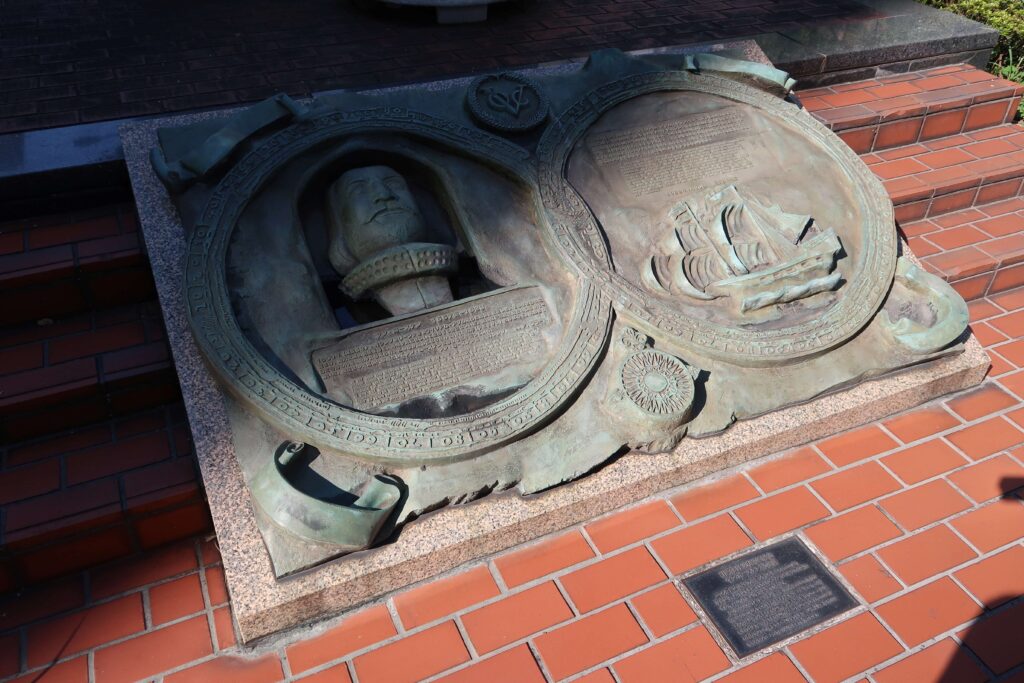
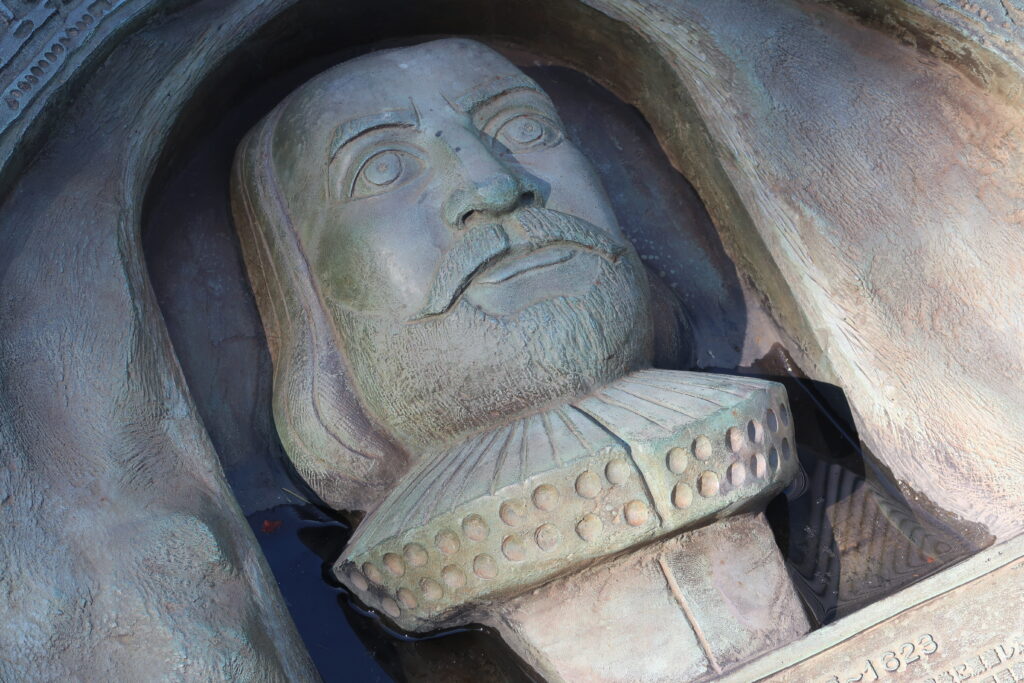
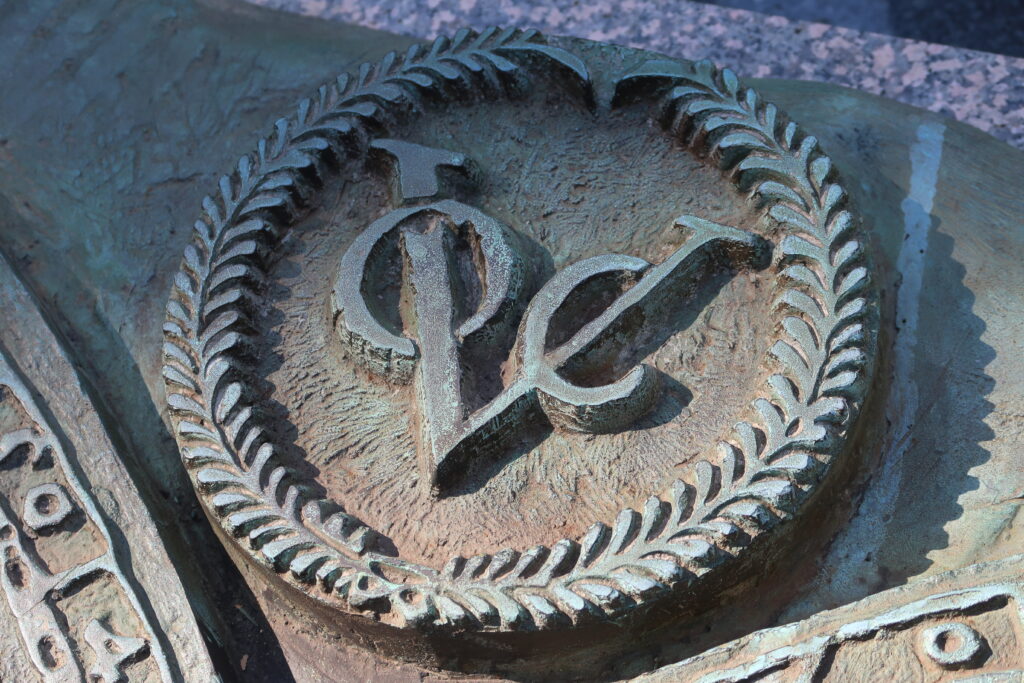
- Jan Joosten van Lodensteijn Memorial Statue
ESTABLISHMENT POINT_OF_INTEREST - Japan, 〒104-0028 Tokyo, Chuo City, Yaesu, 2-chōme−1−1 地下1階 ヤエチカ
- ★★★☆☆
Weekend
This Saturday morning, I woke up around 7am to catch a train to Sakura City in Chiba Prefecture. There actually was a lot to see, but the main reason my wife and I came here was to visit the National Museum of Japanese History. We actually found out about this museum from a pamphlet we picked up at the Fuji World Heritage Center in Shizuoka Prefecture and, ever since then, have been wanting to visit.
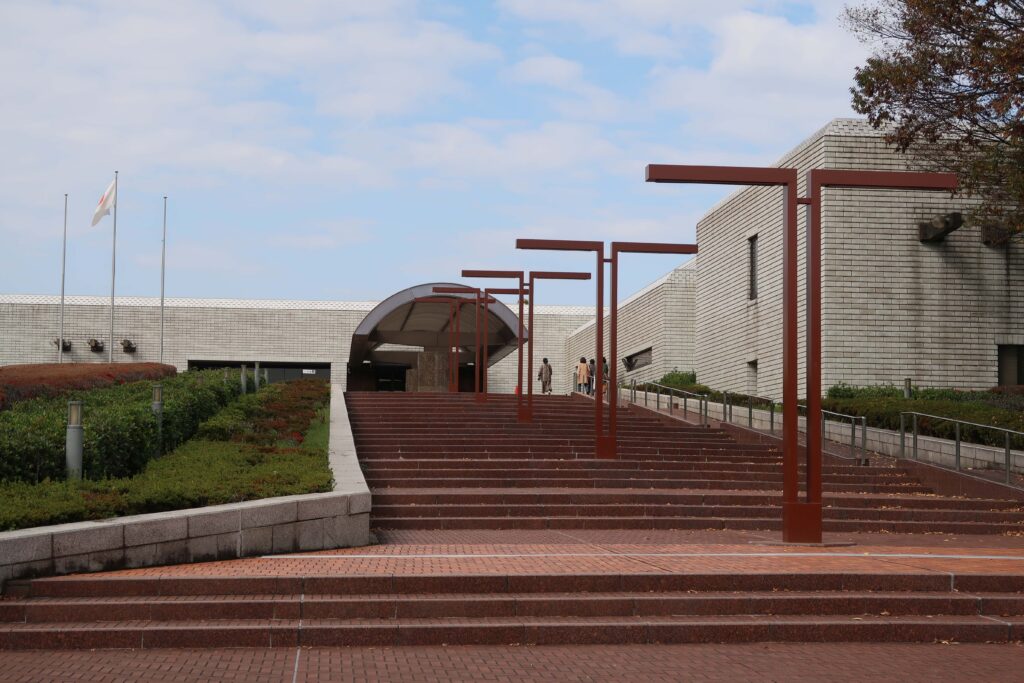
- National Museum of Japanese History
ESTABLISHMENT MUSEUM POINT_OF_INTEREST - 117 Jōnaichō, Sakura, Chiba 285-0017, Japan
- ★★★★☆
Perched atop the ruins of Sakura Castle, the museum covers everything from Japan’s earliest human settlements to the rapid modernization of the Meiji period. Honestly, as a history buff it was a lot of fun and I really enjoyed the several permanent exhibits. Also, the gift shop was full of a bunch of unique souvenirs, including locally-made hainiwa — small clay figures that once were used to decorate Japan’s ancient tombs.
After that, we decided to grab some dinner before heading back to Tokyo.
And, Sunday was basically a rest day before the start of a new week.





No Comments yet!