As the global spotlight shines on Expo 2025 Osaka, Kansai, Japan, which is overflowing with enthusiastic travelers from around the world, a number of arguably overlooked municipalities from Kobe to Kagoshima are introducing a series of itineraries to extend visitors’ trips westward: the Golden Route to West Japan.

This year, I was fortunate to have the opportunity to visit the Expo site in Osaka, where I was inspired by the temporary booth introducing many exciting highlights beyond Kansai and well into Kyushu. Indeed, now that we are familiar with Japan’s ever-punctual Shinkansen, accustomed to ubiquitous omotenashi (superior Japanese hospitality) and delighted by the culinary depths of washoku (traditional Japanese cuisine), why stop your adventures in Osaka or Kyoto?
Here are eight recommended short routes to spend a few days exploring West Japan, where you can experience the best of Japanese culture, nature and gourmet food.
Port to Port
In Kobe, ascend Mount Rokko for a grand panorama that stretches from downtown Kobe to Osaka Bay, then relax in the natural hot springs of Arima Onsen. Take an overnight ferry to Aoshima Island, surrounded by the rocky stripes of the Devil’s Washboard, formed from ancient sandstone and mudstone eroded over eons. Miyazaki’s retro entertainment district of Nishitachi contains over a thousand restaurants serving local delicacies such as Miyazaki beef and charcoal-grilled premium Jidori chicken. In Kagoshima, hop on a ferry to Sakurajima, one of the most active volcanoes in the world, and a thriving island home to approximately 3,200 residents.
Peace in Japan
Start in Hiroshima, at the preserved ruins of the Atomic Bomb Dome, a World Heritage Site that advocates for the abolition of nuclear weapons, overlooking the Peace Memorial Park. Take a wellness break in the 1,300-year-old Takeo Onsen, and stroll through the seasonal floral landscape and digital art exhibitions of Mifuneyama Rakuen, a huge garden at the foot of Mount Mifune. Continue on to the Nagasaki Atomic Bomb Museum, where you can learn more about the circumstances that led to the atomic bombings in Japan, the devastation caused by radiation exposure, and Nagasaki’s own resilience and reconstruction.
 Atomic Bomb Dome
ESTABLISHMENT POINT_OF_INTEREST TOURIST_ATTRACTION- 1-chōme-1-10 Ōtemachi, Naka Ward, Hiroshima, 730-0051, Japan
- ★★★★☆
- Mifuneyama Rakuen
ESTABLISHMENT POINT_OF_INTEREST TOURIST_ATTRACTION - 4100 Takeochō Ōaza Takeo, Takeo, Saga 843-0022, Japan
- ★★★★☆
- Takeo Onsen
COLLOQUIAL_AREA POLITICAL - Takeo Onsen, Takeo, Saga, Japan
- ☆☆☆☆☆
Castle, Swords, and Sand
Japan’s iconic white Himeji Castle is a World Heritage Site that has been preserved and repaired over the years to retain its appearance from over 400 years ago. Its Nishi-Oyashiki-ato Koko-en Garden consists of nine different gardens, each with a distinct style. Tottori is best known for its sprawling, undulating Sand Dunes, including the 47-meter-high Umanose, where you can sandboard or paraglide. Stop by the Sand Museum to witness ephemeral world-class sculptures made from just sand and water. In Okayama, take a stroll around the Kurashiki Bikan Historical Quarter with its traditional white-walled warehouses, and try your hand at the historical craft of sword-forging at the Bizen Osafune Sword Museum.
- Koko-en
ESTABLISHMENT POINT_OF_INTEREST TOURIST_ATTRACTION - 68 Honmachi, Himeji, Hyogo 670-0012, Japan
- ★★★★☆
- Himeji Castle
ESTABLISHMENT POINT_OF_INTEREST TOURIST_ATTRACTION - 68 Honmachi, Himeji, Hyogo 670-0012, Japan
- ★★★★☆
- Kurashiki Bikan Historical Quarter
ESTABLISHMENT POINT_OF_INTEREST TOURIST_ATTRACTION - 1 Chome-4 Central, Kurashiki, Okayama 710-0046, Japan
- ★★★★☆
- Bizen Osafune Japanese Sword Museum
ESTABLISHMENT MUSEUM POINT_OF_INTEREST - 966 Osafunechō Osafune, Setouchi, Okayama 701-4271, Japan
- ★★★★☆
Around the Seto Inland Sea
Okayama’s Korakuen Garden offers a dramatic view of the distinctive black exterior of Okayama Castle, whose historical beauty is enhanced by the garden’s seasonal blossoms and foliage. Across the sea in Takamatsu, the meticulously landscaped Ritsurin Garden contains a multitude of pine-framed views that seem to change with each step. Facing the inland sea, Yashima has a distinctive topography with a commanding observatory amid a rich natural environment. On the west coast of Shikoku, the labyrinthine fortress of Matsuyama Castle dominates the cityscape, while Japan’s oldest hot springs of Dogo Onsen has been lovingly restored and is open again for business.
- Okayama Korakuen
ESTABLISHMENT POINT_OF_INTEREST TOURIST_ATTRACTION - 1-5 Kōrakuen, Kita Ward, Okayama, 703-8257, Japan
- ★★★★☆
- Matsuyama Castle
ESTABLISHMENT POINT_OF_INTEREST TOURIST_ATTRACTION - 1 Marunouchi, Matsuyama, Ehime 790-0008, Japan
- ★★★★☆
- Dogo Onsen Main Building
ESTABLISHMENT POINT_OF_INTEREST SPA - 5-6 Dōgoyunomachi, Matsuyama, Ehime 790-0842, Japan
- ★★★★☆
Kyushu’s Samurai Roots
In Kagoshima, Sengan-en Garden gracefully integrates the shakkei (borrowed scenery) of Sakurajima and Kinko Bay, viewed from the feudal lord’s garden and villa of the Shimazu clan. While Kumamoto Castle is still being restored following the city’s 2016 earthquake, you can observe its progress from a special passageway among cherry blossoms in spring. Then, take a leisurely walk inside Suizenji Jojuen, an Edo-period park with seasonal landscapes centered around a pond created by spring water. Don’t miss Kitakyushu’s symbolic Kokura Castle, which celebrates its 450-year history with an almost daily appearance by military forces.
- Sengan-en
ESTABLISHMENT MUSEUM POINT_OF_INTEREST - 9700-1 Yoshinochō, Kagoshima, 892-0871, Japan
- ★★★★☆
- Suizenji Jojuen Garden
ESTABLISHMENT PARK POINT_OF_INTEREST - 8-1 Suizenji Kōen, Chuo Ward, Kumamoto, 862-0956, Japan
- ★★★★☆
- Kokura Castle
ESTABLISHMENT MUSEUM POINT_OF_INTEREST - 2-1 Jōnai, Kokurakita Ward, Kitakyushu, Fukuoka 803-0813, Japan
- ★★★★☆
Port Towns and Sacred Islands
Miyajima is known as the island where the gods reside, with its sacred deer and the iconic red Otorii of Itsukushima Shrine standing majestically in the sea. Continue on to Shimonoseki, the joyful capital of pufferfish in all its culinary forms, from fugu carpaccio to fugu fin sake, while Karato Market has more fresh seafood and local produce. The 1,780-meter-long Tsunoshima Ohashi Bridge to another sacred island offers views of white sand beaches and the cobalt blue ocean. In Kitakyushu, immerse yourself in the nostalgia of the late 19th and early 20th centuries in the Mojiko Retro District.
- Itsukushima Jinja
ESTABLISHMENT PLACE_OF_WORSHIP POINT_OF_INTEREST - 1-1 Miyajimachō, Hatsukaichi, Hiroshima 739-0588, Japan
- ★★★★☆
- Karato Fish Market
ESTABLISHMENT FOOD POINT_OF_INTEREST - 5-50 Karatochō, Shimonoseki, Yamaguchi 750-0005, Japan
- ★★★★☆
- Mojiko Retro
ESTABLISHMENT POINT_OF_INTEREST TOURIST_ATTRACTION - 9 Minatomachi, Moji Ward, Kitakyushu, Fukuoka 801-0852, Japan
- ★★★★☆
Sake and Hot Springs
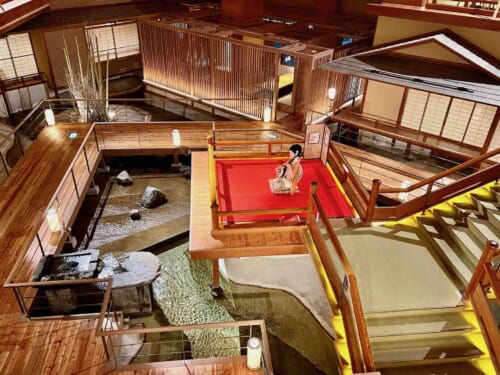
Kobe’s Nada District is now the largest producer of sake in the world, where a number of local breweries open their doors so that visitors can observe the traditional sake-brewing process. As Beppu is renowned for its steaming sidewalks and hot-as-hell springs, take a Jigoku Tour to witness a spectrum of colored pools of boiling elements, from turquoise blue to iron-rich rust. Conclude your walk in Kannawa Onsen with the naturally steamed delicacy of Jigokumushi Kobo Kannawa which features ingredients that you cook yourself using geothermal steam from Hell. Hike up double-peaked Mount Yufu for a spectacular panoramic view, then go shopping along Yunotsubo Kaido Street in the popular hot spring resort town.
- Jigokumushikobo Kannawa
ESTABLISHMENT FOOD POINT_OF_INTEREST - 5組 風呂本, Beppu, Oita 874-0041, Japan
- ★★★☆☆
- Yunotsubo Kaido
ESTABLISHMENT POINT_OF_INTEREST TOURIST_ATTRACTION - Yufuincho Kawakami, Yufu, Oita 879-5102, Japan
- ★★★☆☆
Kyushu’s Islands and World Heritage Sites
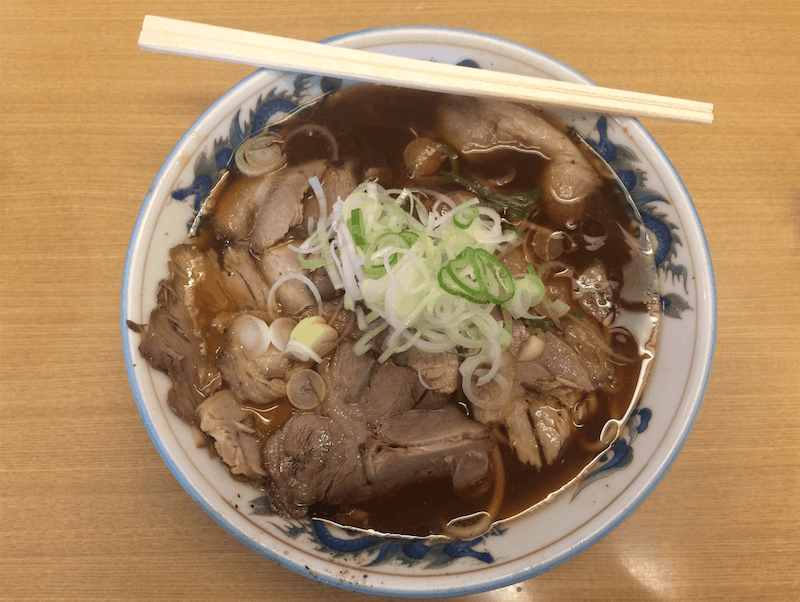
Shikanoshima, also known as the “Mont-Saint-Michel of Japan,” is connected to Fukuoka by a single long sand bar with the sea on both sides. Back in the town, pull up a seat at one of the countless yatai (food stalls) for good old-fashioned street food fun and drinking conviviality around Hakata ramen, oden, yakitori, and more.
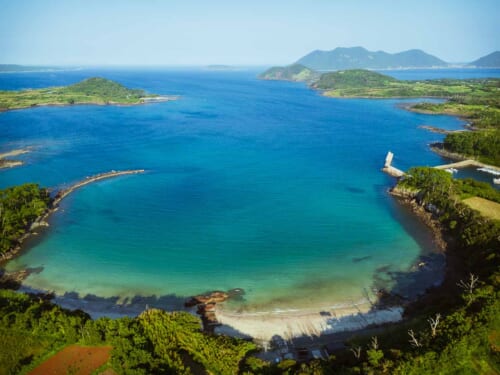
Take a short ferry ride to Iki Island, home to 280 ancient burial mounds and over 150 Shinto shrines, not to mention a 45-meter-high rock eroded into the form of a monkey gazing out to sea. Nearby Tatsunoshima offers spectacular views of the emerald green ocean under sheer cliffs, by sea or on land.

Off the coast of Nagasaki, the 6.3-hectare Hashima is nicknamed Gunkanjima (Battleship Island) due to its angular military profile, completely enveloped by a high seawall. Coal was successfully extracted on this once densely populated island for well over a century before the mine finally closed in 1974. Now uninhabited and designated as a UNESCO World Heritage Site, the island has made dramatic cameos in movies such as the James Bond film Skyfall.

These are just a few highlights of what you can encounter on your westward travels across Japan. Learn more about a multitude of different destinations and thematic itineraries at https://japan-west-goldenroute.com
The Golden Route to West Japan is not a single route, but the journey you will create for yourself as you curate your own stops and destinations along the way, tailored to your own personal passions. Stay tuned for more details on exploring Fukuoka and Iki in my next articles!
Sponsored by Fukuoka City.




No Comments yet!