Hidden away in Western Tokyo, a large area that once formed the northern part of Kanagawa Prefecture, Fussa might not be the first place that comes to mind when planning a day trip. Known for its quiet residential neighborhoods, the city, however, offers something you really can’t find anywhere else in Tokyo: a glimpse of retro Americana. Up and down National Route 16 (aka Fussa Base Side Street), you’ll find everything from antiques and vintage clothing to New York-style bagels and classic American diners—some of which are actually housed in historical buildings dating back to the 1950s and 1960s. It’s this distinctive cultural blend that’s earned Fussa its nickname, “Japan’s America.”
A City Shaped by History
Prior to World War II, Fussa was a small agricultural town, known for rice farming, silkworm cultivation, and sake brewing—all of which relied on water from the nearby Tama River. In 1893, Fussa and the entire Nishitama District were transferred from Kanagawa Prefecture to Tokyo as part of a broader Meiji-era administrative reorganization.

Then, in 1940, the Imperial Japanese Army built an airfield in Fussa, which was later seized by the US military, expanded, and renamed Yokota Air Base after a nearby village that once existed in the district. To accommodate the base’s expansion, over 1,000 subsidized houses were built for soldiers, their families, and local civilians—many of whom found work supporting US military operations in the area.
By 1970, Fussa had grown large enough to be officially designated a city.
Fussa American House
One of the most visible reminders of this postwar transformation, aside from Yokota Air Base itself, is Fussa American House, which is just a 10-minute walk from Ushihama Station. Not a traditional museum per se, this former three-bedroom residence is more a time capsule into life in 1950s America. Inside you’ll find a few traditional Japanese elements, like the entryway. Its layout and exterior are strongly influenced by post-war American suburban housing, however, which commonly featured a front yard, clear approach from the gate to the entrance, large windows for natural light, and a more open floor plan than was typical in most Japanese homes at the time.
While visiting is free (no reservations needed) Fussa American House is only open on Friday, Saturday, and Sunday from 11am to 5pm. So, be sure to keep that in mind before your visit.
 Fussa American House
ESTABLISHMENT MUSEUM POINT_OF_INTEREST- 2476-14 Fussa, Tokyo 197-0011, Japan
- ★★★☆☆
Fussa Base Side Street
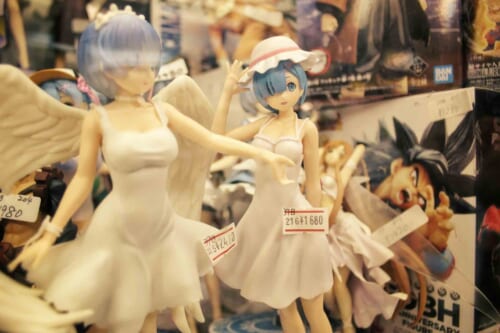
Just outside Yokota Air Base, Fussa Base Side Street offers everything from military surplus shops and antiques to retro diners.
You can grab a classic American-style breakfast at The Mint Motel, a café with waffle makers imported from the US. They also have popular American cereals (like Frosted Flakes and Resse’s Puffs), cream soda, and cupcakes made with Hokkaido butter.
- The Mint Motel
CAFE ESTABLISHMENT FOOD - 2477 Fussaninomiya, Fussa, Tokyo 197-0011, Japan
- ★★★★☆
Next door, The Narnia Collective and Big Mama, two long-standing antique stores, are packed with floor-to-ceiling collections of vintage Americana, vinyl records, military memorabilia, and even some mid-century furniture. A bit further up the street, you’ll also find April Flash, another store with pretty much everything you can imagine.
- Narnia Collective
ESTABLISHMENT FOOD POINT_OF_INTEREST - Japan, 〒197-0014 Tokyo, Fussa, Fussaninomiya, 2477−3 エムハイム
- ★★☆☆☆
- Big Mama
ESTABLISHMENT HOME_GOODS_STORE POINT_OF_INTEREST - 2485-1 Fussaninomiya, Fussa, Tokyo 197-0014, Japan
- ★★★☆☆
No visit to Fussa is complete without a stop at Blue Seal, an ice cream chain that first started out serving US troops stationed in post-war Okinawa. Blue Seal is known for quirky flavors including Okinawan purple sweet potato, salt cookie, and brown sugar, alongside classics like vanilla and chocolate.
Right next door, Hoop offers freshly baked, American bagels with a slight Japanese twist. Here you’ll find options like plain, sesame, and the iconic everything bagel, alongside less common flavors like coffee, cookies & cream, and matcha chocolate.
- Hoop
CAFE ESTABLISHMENT FOOD - 2475 Fussa, Tokyo 197-0011, Japan
- ★★★★☆

Finally, there’s Demode Diner Fussa, a 1950s-themed diner with checkerboard flooring, neon signs, and over 15 types of burgers on the menu, including the 2lbs. Fussa Big Tower Burger! It also serves hotdogs, sandwiches, ice cream, and an American classic, apple pie.
- Demode Diner Fussa
ESTABLISHMENT FOOD POINT_OF_INTEREST - 1121 Kumagawa, Fussa, Tokyo 197-0003, Japan
- ★★★★☆
Another Side of Fussa
While not as flashy as Fussa Base Side Street, central Fussa still has a lot to offer.
Roughly a 12-minute walk from Fussa Station, Tamura Sake Brewery, founded in 1822, is one of the oldest still operating sake breweries in Tokyo. Visiting the gallery and gift shop is free, but tours (in Japanese only) require advanced reservation.
- Tamura sake brewery
ESTABLISHMENT LIQUOR_STORE POINT_OF_INTEREST - 626 Fussa, Tokyo 197-0011, Japan
- ★★★★☆
A bit harder to reach is Hotaru Park. It’s more than worth it to come during the annual firefly festival in June, however, when hundreds of fireflies are released in the park. Nearby Tamagawa Central Park also provides some nice views of the Tama River.
- Hotaru Park
ESTABLISHMENT PARK POINT_OF_INTEREST - Japan, 〒197-0004 Tokyo, Fussa, Minamidenen, 3-chōme−9−1
- ★★★☆☆
- Tamagawa Central Park
ESTABLISHMENT PARK POINT_OF_INTEREST - 1-chōme-先 Kitadenen, Fussa, Tokyo 197-0005, Japan
- ★★★★☆
Lastly, in southern Fussa there’s Ishikawa Sake Brewery. It’s a bit of a trek, being a roughly 15-minute walk from Haijima Station. Established in 1863 and relocated in 1880, the site includes several buildings registered as Tangible Cultural Properties and continues to produce its flagship sake, Tamajiman, alongside craft beers like Tama no Megumi and Tokyo Blues.
- Ishikawa Sake Brewery
ESTABLISHMENT POINT_OF_INTEREST - 1 Kumagawa, Fussa, Tokyo 197-0003, Japan
- ★★★★☆
Visitors can explore much of the brewery for free, including a museum that covers the history of brewing beer in Japan, but tours (in Japanese and English) require advanced reservation. There’s also a gift shop and number of dining options on-site.
Getting There
Just an hour from central Tokyo, Fussa is pretty easy to reach.
From Shinjuku Station, take the JR Chuo Line Rapid (for Ome) to Ushihama Station—perfect for exploring Fussa Base Side Street, which is just a short walk away. If you’d rather start in central Fussa, stay on the same train for Fussa Station. Many trains continue directly onto the JR Ome Line via Tachikawa, so no transfer is needed—just stay onboard.
From Tokyo Station, take the Chuo Line Rapid to Ushihama or Fussa—depending on your plans.
And, to visit Ishikawa Sake Brewery, get off at Haijima Station. By car, Fussa is about an hour from central Tokyo via the Chuo Expressway, but unlike many other parts of the city, there’s plenty of parking available.



No Comments yet!