Kyushu, Japan’s southernmost major island, is renowned for its diverse food scene. From fresh seafood to rich local specialties, there is something for every taste. But if you are looking for something truly unique, something exotic that will impress your friends and family… why not try horse sashimi?
What is Horse Sashimi?
Horse sashimi, also called basashi or sakura niku — meaning “cherry meat” due to its pink color — is sliced raw horse meat. Unlike more common Japanese meats, horse is not something you’ll find in convenience stores or in mass-market fast-food chains. For many visitors, it comes as a surprise that horse meat is served in Japan at all.

While living in Europe, I had associated horse meat with Belgian paardenrookvlees or Italian pastissada, so discovering it in Kyushu was eye-opening. It is considered a specialty and is traditionally consumed on special occasions or when dining in regional restaurants.
Is Eating Raw Horse Meat Safe?
You might be thinking: “No way am I eating raw horse meat!” But don’t worry. Horse sashimi in Japan is safe to eat. The country has extremely high food hygiene standards, and food-borne illnesses from uncooked meat are very rare.
Even if raw horse isn’t your thing, there’s also baniku — grilled or cooked horse meat. The texture is slightly different, a bit stringy, and mild in flavor. Some compare it to venison, while others might find it closer to lean beef. Either way, it’s simple, flavorful, and a true local experience.
Trying Horse Sashimi for the First Time
Our contributor Traveling Tee tried horse sashimi, and here you have his experience:
“As someone who enjoys trying new foods but can be picky, I admit I had mixed feelings at first. The thought of eating ‘Black Beauty or Mister Ed’ was a little intimidating. But once I ordered a portion and asked for thinly sliced sashimi (the thinner, the softer and more enjoyable), I was ready to try it.”
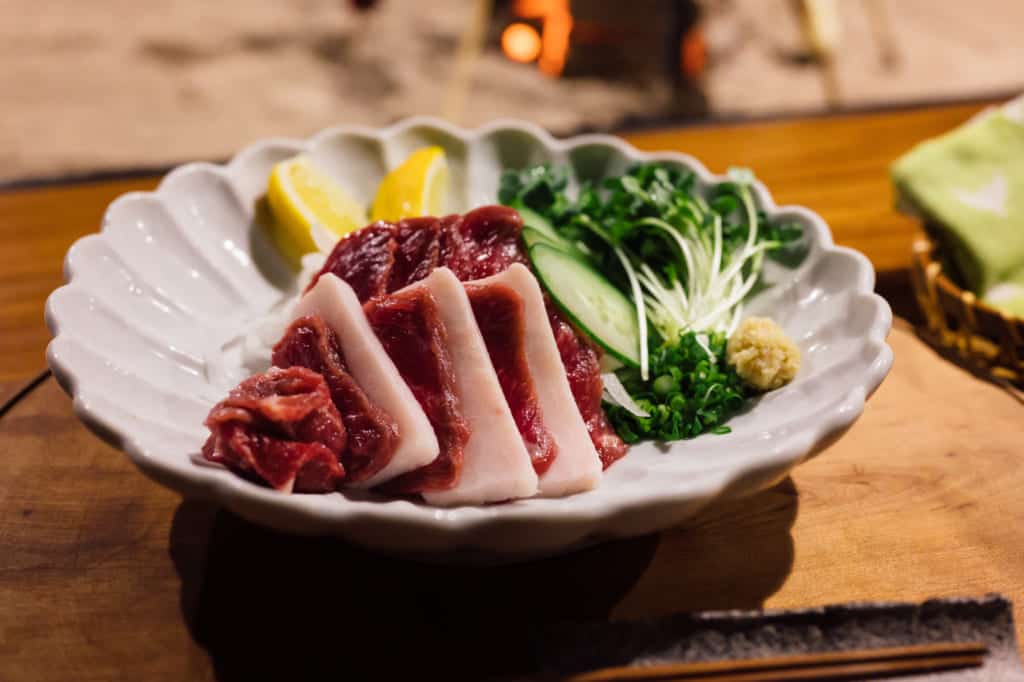
“The first bite was surprisingly pleasant. There was no strong aftertaste, and the texture was soft, not tough like some beef cuts. The ginger-soy sauce enhanced the flavor, though it wasn’t necessary to enjoy the meat. Pairing it with warm sake makes the experience even more authentic.”
How to Enjoy Horse Sashimi
When ordering, ask for thin slices — the thicker the cut, the chewier it becomes. Horse sashimi pairs well with soy-ginger sauce or grated garlic. A small cup of warm sake is the traditional accompaniment, though beer or tea works just fine.
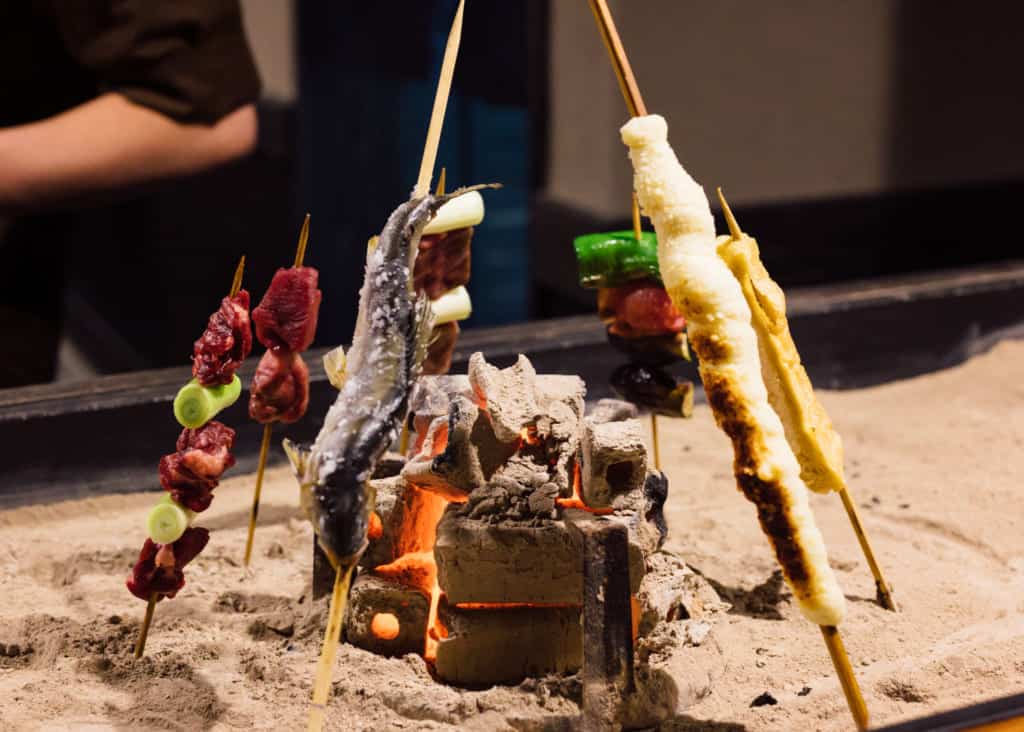
Unlike other exotic meats, horse sashimi is mild in taste, and once you try it, you may be surprised by how tender and subtle it is. While not an everyday food, it’s perfect for adventurous eaters looking for a unique Japanese culinary experience.
Horse Meat Culture in Japan
Horse meat has been eaten in Japan for centuries, especially in Kumamoto Prefecture. It’s often considered a delicacy for special occasions rather than a regular meal. Restaurants take pride in sourcing fresh, high-quality meat, and preparation standards are extremely strict.
Eating basashi is also about experiencing a local cultural practice. For visitors, it’s a chance to step outside the typical Japanese dining experience and taste something truly regional.
Where to Try Horse Sashimi in Kumamoto
As said before, you can try horse sashimi in many prefectures, but Kumamoto is known for this specialty. And here our Voyapon contributors have already tried some restaurants or ryokan where they offer this meal, such as Yamami-Chaya, Fumoto Ryokan, Yamagawa Zenzo Ryokan, Ryokan Kafutei, and Zenzo Ryokan.
Trying horse sashimi in Kyushu is not just a meal; it’s an experience. From the tender, lightly flavored slices to the cozy, local restaurants, it’s a culinary adventure that few tourists think to try. At around 500 yen per portion, it’s also affordable and accessible, making it an ideal way to push your taste boundaries while exploring Japan.
If you’re planning a trip to Kumamoto or Kyushu, be sure to add basashi or baniku to your food itinerary. It’s not every day dining, but it’s an experience you will remember forever.
Original article written by Traveling Tee in April 2016









No Comments yet!